



Moderate, occasional alcohol consumption is not a significant risk factor for hair loss. Heavy, chronic drinking is a different story, and the connection is not one single mechanism but several compounding ones.
How Heavy Alcohol Consumption Affects Hair
Nutritional depletion
Heavy drinking is one of the most reliable ways to deplete the nutrients hair follicles depend on. Alcohol interferes with the absorption and metabolism of zinc, iron, B vitamins (particularly thiamine, folate, and B12), and protein in multiple ways.
A cross-sectional study examining zinc deficiency and hair loss, opens in a new tab found that zinc deficiency is significantly associated with alopecia areata, telogen effluvium, and female pattern hair loss. Chronic alcohol use is well-documented as a cause of zinc depletion through both dietary displacement and increased renal zinc excretion.
Iron deficiency from alcohol follows a different pathway: alcohol displaces nutrient-dense foods from the diet, and gut inflammation from heavy drinking impairs iron absorption from what is eaten. Low ferritin is the most sensitive and clinically relevant marker.
Hormonal disruption
Chronic alcohol intake disrupts the liver's ability to metabolize hormones, particularly estrogen. In women, this can lead to estrogen excess relative to progesterone, altering the hormonal environment that the hair follicle depends on. In men, chronic drinking can lower testosterone and disrupt the testosterone-to-DHT conversion pathway.
Cortisol elevation and sleep disruption
Alcohol is a physiological stressor that elevates cortisol, particularly during the withdrawal phase in regular drinkers. Even moderate regular drinking disrupts sleep architecture, reducing slow-wave and REM sleep. Both chronic cortisol elevation and poor sleep quality are independent triggers for telogen effluvium.
Dehydration effects on the scalp
Alcohol is a diuretic. Chronic dehydration reduces blood flow to peripheral tissues including the scalp, impairs the transport of nutrients to follicles, and can cause scalp dryness that further stresses follicles.
The Threshold That Matters
The evidence consistently points to heavy, chronic drinking as the risk factor, not occasional or moderate consumption. 'Heavy drinking' in clinical research is generally defined as more than 14 drinks per week for women and more than 21 for men. Below this threshold, the direct hair loss mechanisms are not well-established in the literature.
Does Hair Grow Back After Quitting?
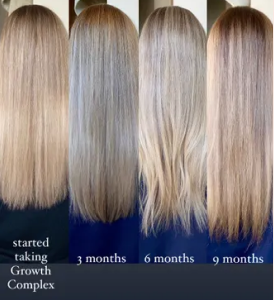
For hair loss driven by the reversible mechanisms above, nutritional depletion, hormonal disruption, cortisol elevation, sleep disruption, yes, hair typically improves substantially within six to twelve months of sobriety and nutritional restoration.
The pace of recovery depends on whether any permanent damage has occurred to follicles (which would require a longer period of excessive drinking to develop) and how quickly nutritional status is restored. Addressing ferritin, zinc, and B vitamins proactively accelerates the timeline. Women's Growth Complex provides zinc, selenium, and Cynatine HNS to support follicle recovery.


