



What Batana Oil Is
Batana oil is extracted from the seeds of the American oil palm (Elaeis oleifera), a tree native to the tropical rainforests of Honduras, particularly the La Moskitia region. It has been used for generations by the Miskito people. The oil gained mainstream attention through social media starting in 2023 and 2024, creating a market that now ranges from authentic cold-pressed oil sourced directly from Honduras to heavily diluted imitations.
What It Contains
Oleic acid (Omega-9): The primary fatty acid, at 55-65% of composition. Oleic acid penetrates the hair shaft and reduces protein loss, similar to argan and olive oils.
Linoleic acid (Omega-6): At approximately 10-15%, it supports scalp barrier function and reduces inflammation.
Tocotrienols and Tocopherols (Vitamin E): Antioxidants that protect follicle cells from oxidative stress.
Beta-carotene: Supports scalp cell turnover and follicle health.
The Honest Evidence Assessment
The significant gap in the batana oil story is the absence of clinical trials. There are no peer-reviewed, randomized controlled trials specifically studying batana oil for hair regrowth. What does exist:
- Well-documented mechanisms for its component fatty acids and vitamins in hair and scalp health
- Centuries of traditional use, which is not clinical proof but is not meaningless either
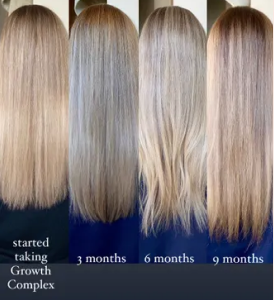
- A large body of before-and-after testimonials that suggest real improvements in hair texture and scalp health
The dermatologist consensus: batana oil is likely beneficial for hair conditioning and scalp nourishment. It is not established as a hair regrowth treatment.
Who It Is Best For
Batana oil is most likely to benefit:
- People with dry, brittle, or heat-damaged hair who need intensive conditioning
- Those with fragile edges or hairlines experiencing breakage from mechanical stress
- Anyone looking to improve hair texture, shine, and manageability
It is less likely to produce meaningful results for:
- Women experiencing androgenetic alopecia (pattern hair loss)
- Those with significant shedding from hormonal or nutritional causes
For conditioning benefits, HAIRLOVE Nourish + Repair argan oil provides a comparable fatty acid profile with a lighter texture and more consistent sourcing quality. For internal nutritional support and genuine follicle-level evidence, Growth Complex is a more directly studied option.
Quality Matters More Than With Most Oils
Authentic batana oil is hand-processed in Honduras using traditional methods and cold-pressed to preserve its bioactive compounds. The oil that results is dark, reddish-brown, fragrant, and thick. Many products marketed as batana oil contain little to none of the authentic ingredient.


