



Why Most Hair Supplements Do Not Work
The hair supplement market is enormous and largely unregulated. Most products contain high-dose biotin, a handful of vitamins, and little else. The clinical reality is that biotin deficiency is rare, and supplementing biotin when you are not deficient produces no measurable hair growth benefit. The studies that supplement brands cite are often funded by the manufacturer, conducted on small samples, or measure outcomes like participant self-perception rather than objective hair count.
That does not mean supplements do not work. It means the ingredient list matters enormously, and the evidence behind each ingredient determines whether a supplement is worth taking.
Ingredients With the Strongest Evidence
Cynatine HNS (Solubilized Keratin)
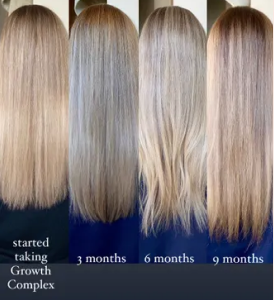
Cynatine HNS is a patented form of bioavailable keratin clinically studied specifically for hair in a randomized controlled trial. Published research found significant improvements in hair brightness, strength, and shedding reduction compared to placebo over 90 days. It is the key ingredient in HAIRLOVE Growth Complex and one of the primary reasons the formula differs from standard biotin supplements.
Zinc
Zinc deficiency is documented more frequently in women with hair loss than in the general population. Zinc plays a direct role in DNA synthesis in hair follicle cells and has inhibitory activity on 5-alpha reductase, which converts testosterone to DHT. Correcting zinc deficiency consistently reduces one of the most common nutritional amplifiers of hormonal hair loss.
Selenium
Selenium is a cofactor for antioxidant enzymes that protect follicle cells from oxidative stress. It also plays a role in thyroid hormone metabolism, and thyroid dysfunction is one of the most common non-hormonal drivers of diffuse hair loss in women.
Vitamin C
Vitamin C neutralizes free radicals that damage follicle cells and significantly increases the bioavailability of non-heme iron. Iron deficiency, particularly low ferritin, is one of the leading nutritional causes of hair loss in women.
Biotin
Biotin matters, but only in the right context. Women with established biotin deficiency see meaningful improvement. Women without deficiency see no benefit from supplementation beyond what their diet provides. Biotin is still worth including in a comprehensive hair supplement because many women are mildly low, and the safety profile is excellent at standard doses.
How Long Before You See Results
No supplement produces visible hair changes in less than 8-12 weeks. The hair growth cycle means that any improvement at the follicle level takes time to manifest as visible change at the surface. Most clinical studies on hair supplements measure outcomes at 90 and 180 days. Setting that expectation before starting prevents the most common reason people stop supplementing: quitting too early.
Growth Complex was formulated around the evidence behind each of these ingredients. If you are comparing supplement options, the ingredient list and the research behind each ingredient is more important than the marketing claims on the label.


