




Celiac disease is an autoimmune condition triggered by gluten. The damage it causes to the small intestinal lining has consequences that extend far beyond digestive symptoms, including hair loss that can appear before or independently of gut symptoms.
How Celiac Disease Causes Hair Loss, Two Distinct Mechanisms
1. Nutrient malabsorption
Celiac disease damages the villi of the small intestine, dramatically reducing absorption surface area. This creates deficiencies in the nutrients most critical for follicle health:
-
Iron: up to 54% of newly diagnosed celiac patients have ferritin below 30 ng/mL. Iron deficiency is the most common anemia in celiac, opens in a new tab and one of the most powerful triggers for telogen effluvium
-
Zinc: essential for follicle protein synthesis and cell division. Selenium deficiency is also common in celiac, opens in a new tab due to malabsorption
-
B vitamins (B12, folate): essential for DNA synthesis in rapidly dividing follicle cells
- Vitamin D: malabsorption creates deficiency that independently disrupts the hair cycle
2. Autoimmune cross-reactivity
Celiac disease involves production of tissue transglutaminase antibodies (tTG-2). Research suggests these antibodies can cross-react with follicle structures, including follicular transglutaminase, triggering localized follicular inflammation that shortens the growth phase and accelerates shedding.
This autoimmune mechanism is distinct from the nutritional one and explains why some celiac patients have hair loss without severe nutritional deficiency markers, and why treating the autoimmune component, opens in a new tab by removing gluten is as important as correcting deficiencies.
The Gluten-Free Diet Solution
A strict gluten-free diet addresses both mechanisms simultaneously: it allows the intestinal villi to heal, restoring absorption; and it eliminates the antigenic trigger that drives tTG antibody production, reducing autoimmune follicle attack. Research has documented that early studies show approximately 82% of celiac patients with hair loss regrow noticeable hair within 9 to 12 months of strict gluten avoidance, provided they keep serum tTG-IgA below 10 U/mL and correct underlying iron and zinc deficiency.
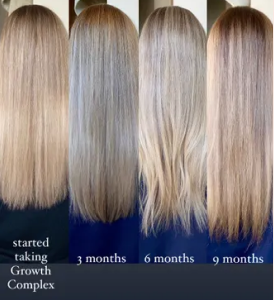
The timeline matters: visible regrowth rarely starts before month three, and it continues for up to a year. Be patient and strict.
Silent Celiac, Hair Loss Without Gut Symptoms
Up to 38% of celiac disease cases present silently, without classic gastrointestinal symptoms. Hair loss alongside iron deficiency anemia, fatigue, and mood changes can be the first presentation. If you have unexplained diffuse hair loss alongside any of these, tTG-IgA plus total IgA is the appropriate screening test, and it should be done while still eating gluten, since going gluten-free before testing will normalize antibodies and produce a false negative.
Nutritional Support During Recovery
- Iron and ferritin should be checked and corrected, potentially requiring intravenous iron if oral absorption remains impaired during early gut healing
- Zinc and selenium are commonly depleted and straightforward to supplement
- B12 and folate levels should be monitored, particularly if on any medications that affect their absorption
HairLove's Women's Growth Complex provides zinc, selenium, and Cynatine HNS, a bioavailable keratin that does not require intestinal absorption pathways that celiac damages, supporting the follicle environment during the recovery period.


