



The Common Expectation and the Reality
Pregnancy is widely associated with thicker, more lustrous hair. Rising estrogen levels during pregnancy prolong the anagen (growth) phase, meaning fewer hairs enter the shedding phase on schedule. But that is not every woman's experience. Some women notice increased shedding during pregnancy, particularly in the first trimester. Understanding the causes helps separate the benign from the situations that warrant medical attention.
Why Hair Loss Happens During Pregnancy
First-Trimester Hormonal Fluctuation
The early months of pregnancy involve rapid, significant hormonal shifts that can temporarily disrupt the hair growth cycle in some women, triggering telogen effluvium. This is typically temporary and self-resolving as hormones stabilize in the second trimester.
Nutritional Deficiencies
Pregnancy dramatically increases the demand for iron, zinc, folate, iodine, vitamin D, and protein. Iron deficiency is particularly common: the fetus prioritizes iron from maternal stores, and the expanded blood volume of pregnancy increases iron requirements substantially. Low ferritin is one of the most common and underdiagnosed causes of hair shedding.
Thyroid Changes
The thyroid adapts during pregnancy to support both maternal and fetal hormone needs. Some women develop thyroid dysfunction during this period. Both hypothyroidism and hyperthyroidism can cause diffuse hair shedding. If hair loss is accompanied by fatigue, temperature sensitivity, weight changes, or mood disturbance, thyroid evaluation is warranted.
When to Seek Medical Attention
Contact your GP or midwife if you experience:
- Patchy hair loss or loss in distinct circular patterns
- Hair loss accompanied by fatigue, weight changes, cold intolerance, or brain fog
- Shedding that does not improve or worsens in the second trimester
What You Can Safely Do
Most medications used for hair loss are not safe during pregnancy. Minoxidil is not recommended. Treatment options during pregnancy are limited to addressing underlying deficiencies and gentle supportive care.
Prenatal vitamins: The standard recommendation. Ask your midwife or GP to check your ferritin specifically if you are experiencing significant shedding.
Diet: Prioritize iron-rich foods paired with vitamin C for absorption. Adequate protein is essential.
Gentle hair care: Reduce heat, avoid tight hairstyles, use a wide-tooth comb on wet hair, and switch to a silk or satin pillowcase to reduce mechanical breakage.
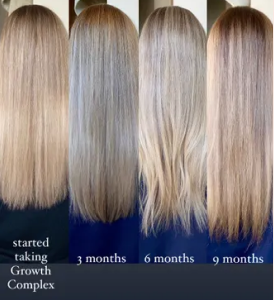
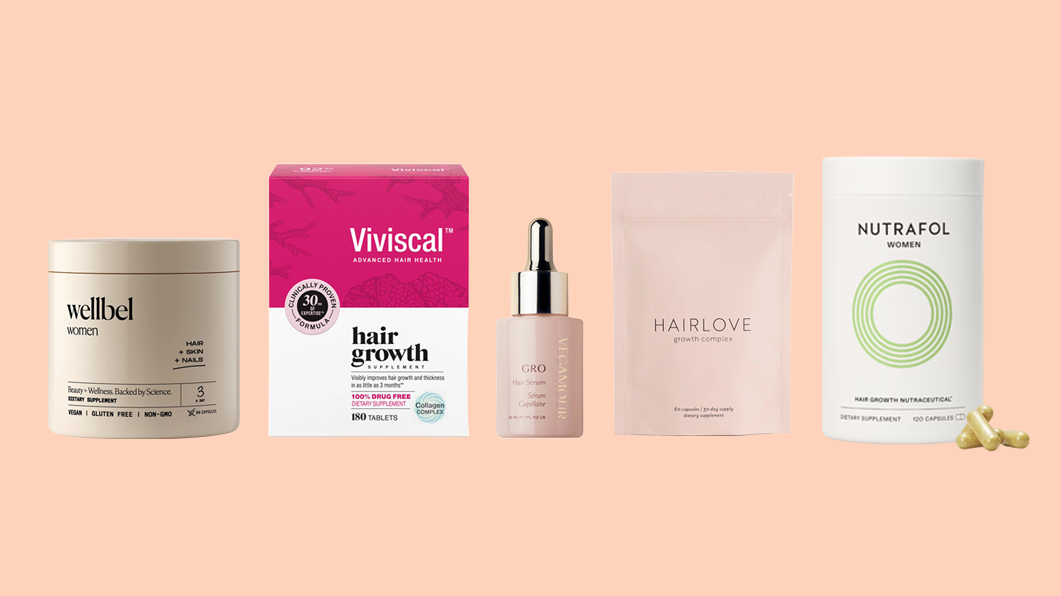
If you are taking HAIRLOVE Growth Complex and become pregnant, discuss continued use with your healthcare provider. The ingredients are generally recognized as safe at appropriate doses, but pregnancy supplementation should always be supervised by a physician or midwife who knows your full situation.
After Delivery
Postpartum hair loss is a separate and extremely common phenomenon. The estrogen that kept hair in the anagen phase during pregnancy drops dramatically after delivery. This usually resolves within six to twelve months. How Long Will Your Postpartum Hair Loss Last covers this phase in detail.


