


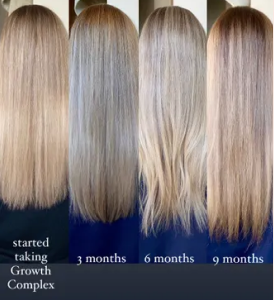

Of all the nutritional causes of hair loss in women, iron deficiency is probably the most common — and the most frequently missed. Not because doctors don't know about it, but because the specific marker that matters for hair loss (ferritin, the stored form of iron) isn't always included in standard bloodwork.
If you've been experiencing diffuse shedding — more hair in the shower, thinner ponytail, a wider part — and your standard blood tests came back "normal," it's worth asking specifically for a ferritin level. The Growth Complex includes iron-supporting nutrients including vitamin C and zinc, but if your ferritin is genuinely depleted, that's a gap that needs direct attention.
Why Iron Matters for Hair Specifically
Iron is essential for producing hemoglobin, the protein in red blood cells that carries oxygen throughout the body. Hair follicles are among the most oxygen-hungry structures in the body — they require a constant, adequate oxygen supply to sustain the active growth (anagen) phase.
When iron stores are low, the body prioritizes oxygen delivery to vital organs. Hair follicles, being non-essential to survival, get less. The result is a shortened anagen phase, more hairs entering the resting (telogen) phase early, and increased shedding typically 2–4 months after the iron levels drop — which is part of why the connection is easy to miss.
Serum Iron vs. Ferritin: The Distinction That Matters
Here's the nuance that many standard panels miss: serum iron (the iron currently circulating in your blood) and ferritin (your stored iron reserves) are different measurements that can tell very different stories.
A woman can have normal or even high serum iron while ferritin is depleted. Her body is pulling iron from storage to maintain circulating levels — essentially drawing down the reserves. The ferritin level is what reflects the iron your follicles have access to over time, and research suggests hair loss can occur with ferritin levels that fall below 30–40 ng/mL, opens in a new tab — well within the "normal" reference range of most labs (which often starts at 12–15 ng/mL).
When getting bloodwork done, ask specifically: TSH, serum iron, and ferritin. The third one is often omitted unless you request it.
Who Is Most at Risk
Iron deficiency is significantly more common in women than men, and certain situations increase the risk further:
Heavy menstrual periods. Monthly blood loss is the leading cause of iron deficiency in premenopausal women. If you experience heavy periods — soaking through products frequently, passing clots, or periods lasting longer than 7 days — ferritin depletion is worth investigating.
Vegetarian and vegan diets. Non-heme iron (from plant sources) is substantially less bioavailable than heme iron (from animal sources). This doesn't mean plant-based diets inevitably cause deficiency — but it does mean iron status needs active attention.
Pregnancy and postpartum. Pregnancy dramatically increases iron demand. Many women enter the postpartum period with depleted stores, which then collides with the normal postpartum telogen effluvium phase, amplifying shedding. Understanding the postpartum hair loss timeline is useful context here.
Chronic inflammation or gut issues. Conditions like celiac disease, Crohn's, or even chronic low-grade gut inflammation can impair iron absorption significantly, even with adequate dietary intake.
How to Address It
If ferritin is low, dietary iron and supplementation are the primary interventions:
Dietary sources: Red meat, organ meats (especially liver), oysters, and clams are the highest bioavailability sources. Lentils, beans, tofu, and dark leafy greens provide non-heme iron — pair them with vitamin C to significantly increase absorption.
Vitamin C pairing: Vitamin C is one of the most effective absorption enhancers for non-heme iron. This is part of why it's included in the Growth Complex formula — not just for its antioxidant role, but for its practical effect on iron uptake.
Supplement form matters. Ferrous bisglycinate is generally better tolerated and absorbed than ferrous sulfate, the most common form in over-the-counter supplements.
Timeline: Iron stores take time to rebuild. Ferritin typically rises slowly over 3–6 months with consistent treatment. Hair shedding generally improves once ferritin reaches approximately 40–50 ng/mL, and visible density improvements follow.
The Nutrition–Hair Loss Connection
Iron deficiency rarely exists in isolation. It's often accompanied by other nutritional gaps — zinc, B vitamins, or protein — that further compound hair loss. Nutrition and hair growth covers how the full nutritional picture affects the hair cycle, and why a comprehensive approach tends to work better than addressing one deficiency at a time.
Getting the Right Test Before You Do Anything Else
Low ferritin is one of the most treatable causes of hair loss in women, and it's also one of the most frequently missed because it requires a specific test most panels don't include by default. If you're experiencing diffuse shedding and haven't had ferritin specifically checked, that's the next step. Standard "normal" iron doesn't rule it out — ferritin below 30–40 ng/mL can be enough to affect the hair cycle, and it's both identifiable and fixable.
Frequently Asked Questions
Q: What ferritin level causes hair loss?
Hair loss has been documented at ferritin levels that fall within the "normal" reference range of most labs (typically 12–150 ng/mL for women). Research suggests shedding can occur with ferritin below 30–40 ng/mL. If your ferritin is below 50 ng/mL and you're experiencing diffuse hair loss, it's worth discussing iron supplementation with your doctor — even if you're technically not "deficient" by standard lab thresholds.
Q: How long does it take for hair to grow back after treating iron deficiency?
Ferritin levels rebuild slowly — typically over 3–6 months of consistent supplementation or dietary intervention. Hair shedding usually improves once ferritin reaches approximately 40–50 ng/mL. Visible density improvements follow the shedding reduction by another 2–3 months, because hair that stops falling out still needs time to grow in at length.
Q: What's the best way to increase iron levels for hair growth?
For heme iron (highest bioavailability): red meat, organ meats especially liver, oysters, clams. For non-heme iron: lentils, beans, tofu, dark leafy greens — always paired with vitamin C to significantly improve absorption. For supplementation, ferrous bisglycinate is generally better tolerated than ferrous sulfate and is associated with less GI upset.
Q: Can low iron cause hair loss even if I'm not anemic?
Yes — this is the key point most standard panels miss. Anemia (low hemoglobin) and low ferritin (low iron stores) are different. Your hemoglobin can look normal while ferritin is depleted, because the body prioritizes maintaining circulating iron levels by drawing down reserves. Hair follicles are affected by ferritin depletion before anemia develops.


