




Keto hair loss is a well-documented phenomenon with a clear physiological explanation. If you started the ketogenic diet, lost weight quickly, and noticed significant shedding two to four months later, what you're experiencing is exactly what the biology predicts, and in most cases, it resolves.
Why Keto Specifically Causes Shedding
The ketogenic diet causes hair loss through one primary mechanism: the physiological stress of rapid weight loss triggering telogen effluvium. A published case report, opens in a new tab documented telogen effluvium resulting from rapid weight loss, confirming that the weight change itself, not the keto composition specifically, is the primary trigger.
When the body loses weight rapidly (more than 1 to 1.5 lbs per week for most people), it perceives this as a physiological stressor. The stress response causes a large number of hair follicles to simultaneously enter the resting (telogen) phase. Two to four months later, those follicles shed, creating the noticeable hair loss many keto dieters experience.
Keto is not uniquely hair-damaging compared to any other approach that produces rapid weight loss. People on GLP-1 medications, post bariatric surgery, or following other very low calorie diets experience the same mechanism. The timeline is identical: start diet, lose weight rapidly, notice shedding 2 to 4 months later.
The Contributing Factors That Make It Worse
Caloric restriction combined with macronutrient restriction
Strict keto significantly restricts food choices. When done without careful planning, it can produce deficiencies in zinc, selenium, folate, and biotin, nutrients found in foods that keto excludes (legumes, whole grains, many fruits). Adding nutritional deficiency to physiological stress makes the shedding worse and the recovery slower.
Insufficient protein intake
Keto requires moderate protein. Some users undereat protein to stay in ketosis. Since hair is made of keratin (a protein), protein deficiency directly impairs the production of new hair shaft material. Adequate protein intake is the single most important dietary variable for hair during weight loss.
Thyroid effects
Some people on extended keto experience changes in thyroid conversion, specifically reduced conversion of T4 to the more active T3. Since thyroid hormones regulate the hair cycle, this can contribute to hair thinning on top of the telogen effluvium mechanism.
Whether and When Hair Grows Back
The good news: keto-induced telogen effluvium is temporary in most cases. Hair regrowth begins once:
- The rate of weight loss slows from the initial rapid phase to a more sustainable pace
- Nutritional deficiencies are corrected
- The body adapts to the ketogenic state and the physiological stress signal diminishes
In most cases, shedding peaks two to four months after the most intense phase of weight loss and gradually reduces over the following months. Full density recovery typically takes six to twelve months from when shedding peaked.
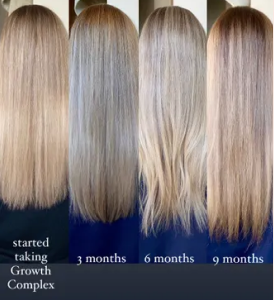
Proactive nutritional support during the keto transition makes a meaningful difference. Women's Growth Complex provides Cynatine HNS, zinc, and selenium to support follicle health while the diet does its metabolic work.


