



You start minoxidil, follow the instructions, and a few weeks later your hair looks worse than before you started. More hair in the drain. Your confidence shaken. You start wondering if you made a mistake.
What you're experiencing is almost certainly dread shed — one of the most well-documented and universally misunderstood early events in minoxidil treatment.
How Minoxidil Works
Minoxidil opens potassium channels and increases scalp blood flow, prolonging the anagen (growth) phase of the hair cycle and bringing more follicles into active growth simultaneously. Critically: minoxidil does not address the androgenic mechanism of pattern hair loss. It does not block DHT. It improves the follicle environment — which is why it works for both men and women across different hair loss types, but is not a complete solution for androgenetic alopecia when used alone.
The Dread Shed — Months 1 to 3
When minoxidil activates dormant follicles, those follicles must first complete and shed whatever telogen hairs they were holding before starting a new anagen cycle. Many follicles shed at roughly the same time. A 2024 retrospective study, opens in a new tab found that the temporary shedding increase in the first 12 weeks of minoxidil use was not only common but correlated with subsequent treatment efficacy in 5% group users — more initial shedding predicted better density outcomes.
Dread shed begins two to eight weeks after starting and lasts two to six weeks, for a total of three to four months of potential shedding, opens in a new tab, opens in a new tab. It affects an estimated 17 to 55% of users.
Month-by-Month Timeline
Weeks 2–8: Dread shed
Shedding is diffuse. Hair may appear thinner than before treatment. This is the hardest period and the main reason people stop prematurely.
Months 2–4: New growth begins
Shedding typically reduces. Activated follicles begin producing new anagen hairs — fine, short, not yet cosmetically significant.
Months 4–6: First visible improvements
New hairs thicken and lengthen. Most users first notice genuine improvement. Reduced daily shedding is typically noticed before visible density changes.
Months 6–12: Full response
Continued improvement. Full response to minoxidil takes approximately 12 months.
Ongoing
Minoxidil must be continued indefinitely. Stopping reverses gains within three to six months as the artificially extended anagen phases end.
Topical vs. Oral Minoxidil
Topical (2% and 5% solutions or foam) is the standard form. Oral low-dose minoxidil has become more popular and may produce more consistent results, but carries more systemic side effects (facial hair growth, fluid retention) and requires a prescription and physician monitoring.
Supporting Minoxidil's Effectiveness
- Address nutritional deficiencies: ferritin, zinc, and vitamin D deficiencies impair follicle response to minoxidil
- Combine with DHT-blocking approaches for androgenetic alopecia in men
- Consistency: twice daily application every day. Inconsistency is the most common reason for poor response
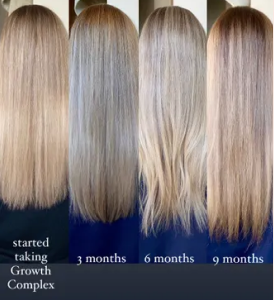
HAIRLOVE's Women's Growth Complex provides the nutritional foundation that supports follicle responsiveness alongside topical treatment.
What Most People Get Wrong
Stopping during the dread shed is mistake number one. Expecting visible results within one to two months is mistake number two. Give minoxidil 12 months of consistent use before making a genuine assessment.


