




You have narrowed it to Nutrafol and Viviscal, and you want to know which is easier on your body before you spend around $88 or $45 a month. Here is the honest head-to-head on side effects, cost, and safety, plus a third option worth knowing about.
The Quick Verdict
Both work in the same modest, gradual way, so the real difference is in what each asks you to accept. Nutrafol's watch-out is its hormonally active ingredients, including a thyroid interaction. Viviscal's is its shellfish and fish allergen. Nutrafol costs more and is four pills a day; Viviscal is cheaper and two. Neither is FDA-approved.
What Is Inside Each
Nutrafol's formula is broad: ashwagandha, saw palmetto, marine collagen, biotin, curcumin, tocotrienols, and a range of vitamins and minerals. Viviscal is leaner: the AminoMar marine complex (shark cartilage and oyster extract) plus biotin, iron, zinc, vitamin C, and niacin. Both, notably, are marine-derived, so neither suits a shellfish allergy or a vegan diet.
Side Effects, Side by Side
Nutrafol's most-reported effects trace to its hormonally active ingredients: digestive discomfort, some hormonal shifts, and a thyroid interaction from ashwagandha that matters if you take thyroid medication. Viviscal's day-to-day effects are milder, mostly digestive, but its shellfish and fish allergen makes it a non-starter for anyone with that allergy. Both contain biotin, so both carry the lab-test consideration if you have bloodwork coming up.
Cost
Nutrafol runs around $88 for a one-month supply; Viviscal is typically around $40 to $50. Confirm current pricing, but Nutrafol is consistently the pricier of the two, and it is the larger daily pill count.
Who Each Is Best For
Nutrafol may suit someone who wants a broad, stress-oriented formula, has no thyroid concerns, and does not mind the cost. Viviscal may suit someone who wants something simpler and cheaper and has no shellfish allergy. Neither fits if you want to avoid both hormonal ingredients and marine allergens.
The Safer Third Option
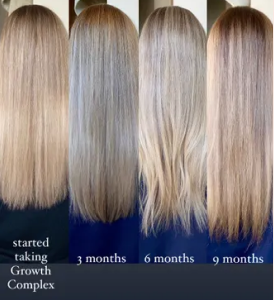
If you are weighing these two mainly on side effects and cost, it is worth adding a third. The HAIRLOVE Growth Complex is built on Cynatine HNS keratin with zinc and selenium. It has no ashwagandha and no marine collagen, so neither the thyroid interaction nor the shellfish allergen applies. It is 100% natural, two capsules a day, and $47, the most affordable of the three. Our three-way comparison of the leading formulas goes deeper.
Making Any Supplement Work Better
Whichever you pick, give it 90 days, rule out iron, ferritin, and vitamin D deficiency first, and check with your doctor if you take medication or have a thyroid condition.
Reading Between the Lines
Between the two, it comes down to budget and which trade-off you would rather avoid: Nutrafol's hormonal ingredients and thyroid interaction, or Viviscal's marine allergen. Both are effective in the same limited way. If you would rather skip both risks, a keratin-based natural formula is the gentler third path.


