




The Honest Overview
Red light therapy, also called low-level laser therapy (LLLT) or photobiomodulation, is one of the few non-pharmaceutical hair loss interventions with genuine FDA clearance and a meaningful clinical evidence base. It is not a miracle treatment and it does not work for everyone, but the mechanism is understood and the trial data is real.
The Mechanism
LLLT uses red and near-infrared light, typically in the 630-670 nm wavelength range, delivered directly to the scalp. At the cellular level, these wavelengths are absorbed by cytochrome c oxidase, an enzyme in the mitochondrial respiratory chain. This absorption increases cellular energy production (ATP), which is believed to support several processes relevant to hair growth:
- Shifting follicles in the telogen phase back into anagen (active growth)
- Increasing blood flow to follicles via nitric oxide release and vasodilation
- Reducing follicle inflammation, a key driver of miniaturization
- Prolonging the anagen phase, resulting in longer and denser hair
What the Clinical Evidence Shows
A 2017 meta-analysis by Afifi et al. published in the Journal of the American Academy of Dermatology pooled data from 11 randomized controlled trials involving 680 patients. LLLT-treated patients showed significantly increased hair count compared to controls. A separate 2017 systematic review concluded that the evidence supports LLLT alongside minoxidil and finasteride as treatments with positive evidence for androgenetic alopecia.
Device Quality Matters Significantly
Not all red light therapy devices produce the same results. FDA clearance for the hair loss indication applies to specific scalp-coverage devices that meet specific power output and wavelength criteria, not generic red light panels used for skin or body applications. Key criteria:
- Wavelength in the 630-670 nm range
- Adequate power output at the scalp surface
- Medical-grade laser diodes produce stronger evidence than LED-only devices
- FDA clearance specifically for androgenetic alopecia, not general wellness
A Multi-Modal Approach
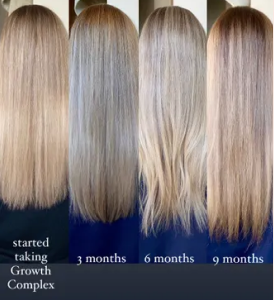
LLLT works best as part of a broader approach. Combining circulatory stimulation from LLLT with nutritional support from Growth Complex and topical follicle signaling from the HAIRLOVE Scalp Serum addresses hair health through three distinct pathways simultaneously.


