



What It Actually Does for Your Hair
A randomized controlled trial by Panahi et al. compared rosemary oil directly to 2% minoxidil over six months in participants with androgenetic alopecia. Both groups showed comparable increases in hair count at the six-month mark. The rosemary group actually reported less scalp itching than the minoxidil group, which matters for long-term adherence.
A 2024 review published in Cureus analyzed the available evidence and concluded that rosemary oil contains bioactive compounds with antioxidant, antimicrobial, and anti-inflammatory properties, with evidence suggesting it may work through a similar pathway to minoxidil, primarily by improving scalp circulation.
A 2025 registered clinical trial involving 90 participants over 90 days found rosemary-based oil combinations improved hair growth rate, increased hair thickness, and reduced shedding. While encouraging, these findings should be viewed as part of a growing evidence base rather than definitive proof on their own.
The mechanism appears to be primarily circulatory. Rosemary oil contains compounds including rosmarinic acid and carnosic acid that may help support blood flow to the scalp, ensuring follicles receive oxygen and nutrients during the growth phase.
Secondary mechanisms may include reducing follicle inflammation and providing antioxidant protection against oxidative stress at the scalp level.
What It Does Not Do
Rosemary oil does not block DHT. It does not address the hormonal and nutritional drivers of hair loss that operate internally.
The studies showing results comparable to 2% minoxidil are promising, but the evidence base for rosemary oil is still developing. Single studies, even well-designed ones, require replication before firm conclusions can be drawn.
It is also important to recognize that the Panahi study used a standardized rosemary oil preparation applied consistently over six months. Occasional use, or use in rinse-out products with minimal scalp contact time, is unlikely to replicate those results.
Application method and consistency matter significantly.
How to Use It Correctly
Rosemary essential oil should always be diluted before applying it to the scalp. A concentration of approximately 2–4% in a carrier oil such as jojoba, argan, or coconut oil is appropriate for most people.
This works out to roughly 4–8 drops of rosemary essential oil per tablespoon of carrier oil.
- Apply directly to the scalp rather than the hair length.
- Massage gently for one to two minutes to support distribution.
- Leave on for at least 30 minutes before washing, or use as an overnight treatment if tolerated.
- Use two to three times per week at minimum, with daily use producing the most consistent results in studies.
- Commit to at least three to six months before evaluating effectiveness.
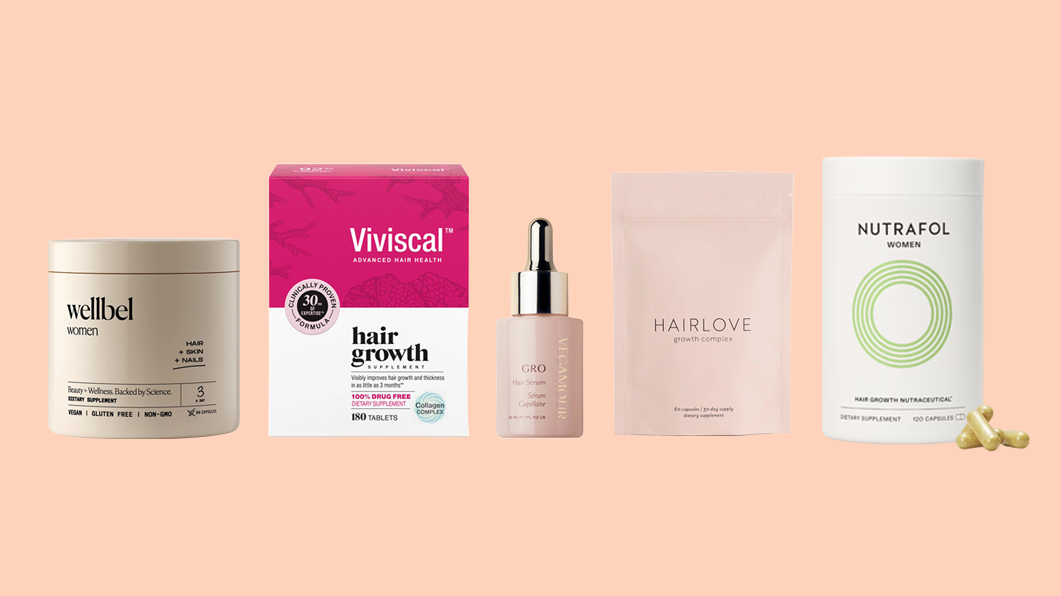
If you are pairing rosemary oil with a topical serum such as HAIRLOVE Scalp Serum, consider using them at different times of day. The Scalp Serum's Copper Tripeptide-1 (GHK-Cu) works through a different mechanism, supporting follicle signaling, scalp health, and the growth environment rather than primarily influencing circulation.
Using both approaches may provide complementary support for the scalp and follicle environment.
The Evidence in Context
Rosemary oil is one of the most evidence-supported natural topical ingredients available for hair care today. The research suggests it can improve scalp health, support circulation, and potentially reduce shedding when used consistently over time.
What it cannot do is replace treatment of the underlying drivers of hair loss. Nutritional deficiencies, hormonal changes, chronic stress, thyroid dysfunction, and androgenetic alopecia all require their own targeted approaches.
If you are experiencing significant thinning, particularly around the crown, temples, or widening part line, rosemary oil is best viewed as a supportive addition rather than a complete solution.
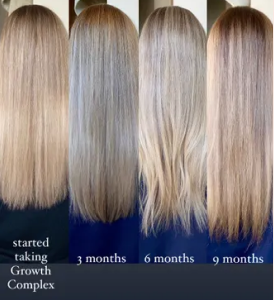
HAIRLOVE Growth Complex works from the inside by supporting follicle health with ingredients including Cynatine HNS, Biotin, Zinc, and Selenium. Rosemary oil and a well-formulated scalp serum work from the outside. Together, they create an inside-out approach to supporting healthier hair growth.


