




Why Scalp Psoriasis Causes Hair Loss
Scalp psoriasis and hair loss are connected, but the relationship is more nuanced than a direct cause. Psoriasis itself does not directly destroy hair follicles. The hair loss associated with scalp psoriasis is typically secondary, caused by factors related to the condition and its management rather than the disease process itself.
The primary drivers of hair loss in scalp psoriasis include:
-
Inflammation: Persistent scalp inflammation alters the follicle environment, pushing hairs prematurely into the telogen phase and triggering shedding
-
Scratching: The intense itch associated with scalp psoriasis leads to scratching, which physically damages hair shafts and can injure follicles directly
-
Scale buildup: Thick plaque buildup over follicle openings can physically block hair growth and create an environment where follicles cannot function normally
- Treatment side effects: Some topical treatments, particularly high-potency corticosteroids used long-term, can cause skin thinning and local hair loss
What to Expect in Terms of Recovery
Hair loss from scalp psoriasis is generally not permanent. The follicles themselves are typically intact. Once inflammation is controlled, scratching is reduced, and scale buildup is addressed, hair growth typically resumes. Permanent hair loss is rare and generally associated with very severe, long-untreated disease.
Managing Scalp Psoriasis: The Medical Side
Scalp psoriasis treatment is managed by a dermatologist. First-line options typically include medicated shampoos containing coal tar or salicylic acid, topical corticosteroids to reduce inflammation, and calcipotriol. More severe cases may involve biologic medications. Do not attempt to treat scalp psoriasis with general hair care products alone.
Nutritional Support Alongside Medical Treatment
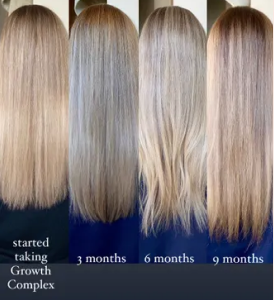
Psoriasis is an inflammatory disease, and several nutritional factors influence systemic inflammation levels. Zinc deficiency is associated with both psoriasis severity and hair loss. Vitamin D deficiency is extremely common in people with psoriasis and is independently associated with worse disease outcomes. HAIRLOVE Growth Complex provides Zinc, Selenium, Biotin, and Vitamin C. While it is not a treatment for psoriasis, correcting nutritional deficiencies that amplify inflammation is a reasonable supportive step alongside prescribed medical treatment. Discuss any supplement use with your dermatologist.
If your scalp psoriasis is currently active or inflamed, do not apply the Scalp Serum or use the Derma Roller without dermatologist clearance. Microneedling on active psoriatic plaques can trigger the Koebner phenomenon, where psoriasis spreads to sites of skin trauma.


