


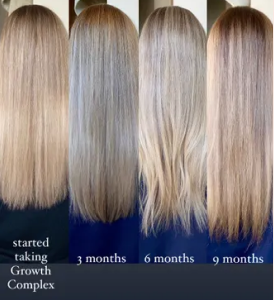

Most hair supplements for men are formulated around two goals: giving the follicle the nutrients it needs to grow strong hair, and reducing the androgenic activity — primarily DHT — that causes follicle miniaturization in genetically susceptible men.
Understanding What You're Trying to Address
Male pattern hair loss has two components: the androgenic driver (DHT miniaturizing DHT-sensitive follicles) and the nutritional component (follicles not receiving adequate zinc, selenium, iron, B vitamins, and protein). Most supplements address the nutritional component. Some ingredients (saw palmetto primarily) also have evidence for modest DHT reduction. No supplement matches pharmaceutical DHT blockers for the androgenic mechanism, but nutritional support is real and often undertreated.
The Ingredients With the Best Evidence
Cynatine HNS — Bioavailable Keratin
Cynatine HNS is a solubilized form of keratin developed to be significantly more bioavailable than standard keratin. Clinical studies show improvements in hair strength, thickness, and reduced shedding with consistent use. It is the hero ingredient in HAIRLOVE's Men's Growth Complex.
Zinc
Zinc is an essential cofactor for follicle cell division and protein synthesis. It also regulates 5-alpha reductase activity. Low zinc is found in a significant proportion of men with pattern hair loss. See the zinc and hair growth post for the clinical evidence.
Selenium
Selenium is required for glutathione peroxidase, the follicle's primary antioxidant defense. It also plays a role in thyroid hormone conversion. Should be supplemented at physiological doses — excess selenium can itself cause hair loss.
Saw Palmetto
Saw palmetto (Serenoa repens) inhibits both Type I and Type II 5-alpha reductase. A 2025 systematic review found 60% of users reported improvement in hair quality and 83.3% showed increased hair density on investigator assessment. More modest than finasteride but with a considerably better side effect profile. See the saw palmetto post for the full evidence.
Biotin and Vitamin D
Biotin supports keratin production and addresses deficiency-related shedding. True biotin deficiency is rare in men eating normally. Vitamin D receptors are present in follicles and play a role in the hair cycle — low vitamin D is consistently associated with diffuse hair loss.
Overhyped Ingredients to Watch For
- Collagen supplements: minimal evidence for hair growth specifically; may benefit skin but the hair claim is extrapolated
- Very high-dose biotin (10,000+ mcg): does not produce additional benefit beyond standard doses and interferes with thyroid and cardiac biomarker laboratory tests
- Proprietary 'DHT-blocking' blends without disclosed dosages or clinical evidence for the specific formulation
What to Look for on the Label
- Specific dosage of each ingredient, not just proprietary blends
- Clinically studied forms of key ingredients — Cynatine HNS is a specific, researched form distinct from generic keratin
- Third-party testing or GMP certification


