


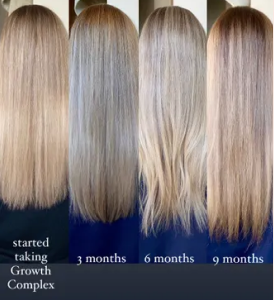


Saw palmetto is the most researched natural DHT blocker for hair loss. Unlike many natural remedies, it has clinical trials rather than just anecdotal evidence behind it. Here is what the actual data shows — without overstating the results.
How Saw Palmetto Works
Oil extracted from Serenoa repens berries contains fatty acids that act as non-selective competitive inhibitors of both Type I and Type II 5-alpha reductase — the enzyme that converts testosterone into DHT. Research indicates inhibition of approximately 32% for Type I and 38% for Type II 5-alpha reductase, opens in a new tab at therapeutic doses. This is the same mechanism as finasteride, but at a more modest scale.
What the Clinical Evidence Shows
A 2025 90-day randomized controlled trial, opens in a new tab using a standardized Serenoa repens extract showed significant improvements in hair density and quality vs. placebo. A 180-day extension showed continued improvement. A 2020 systematic review in Skin Appendage Disorders analyzed five RCTs and two prospective cohort studies: across studies, 60% of users reported improvement in overall hair quality, 27% in total hair count, and 83.3% demonstrated increased hair density on investigator assessment.
Saw Palmetto vs. Finasteride
For androgenetic alopecia driven by DHT, finasteride is substantially more effective. Saw palmetto sits at the mild end of the DHT-blocking spectrum with gentler results but a significantly better side effect profile. For mild androgenetic alopecia in men who want a natural first step, or as a supportive addition to prescription treatment, saw palmetto has the strongest evidence of any botanical DHT blocker.
Why Blocking Both 5-AR Types Matters
Finasteride selectively blocks Type II. Dutasteride blocks both Types I and II. Saw palmetto also blocks both types — Type I 5-AR is predominant in sebaceous glands and scalp surface environment, Type II is predominant in follicles. Blocking both addresses DHT production at more points in the pathway.
What to Look for in a Product
Clinical trials have used standardized extracts specifying fatty acid content. Most effective doses have ranged from 160 to 320mg of standardized liposterolic extract daily. Standardized products are significantly more consistent in potency than generic berry powder capsules.
What the Evidence Tells Us
Saw palmetto has genuine, replicable clinical evidence. The effect size is modest compared to prescription DHT blockers, but it is real and consistent. For men who want a natural approach to androgenic hair loss, it is the most evidence-based starting point. For more context on natural approaches, see the best hair growth supplements for men post.


