



You had surgery, recovered well, went home, and then a few months later started finding unusual amounts of hair in the drain. Your doctors may not have mentioned this at all. For many people, post-surgical hair loss is a complete surprise.
Why Surgery Causes Hair Loss
Surgery represents a significant physiological stress to the body, introducing several conditions that trigger the hair cycle to shift:
- General anesthesia: disrupts normal metabolic processes and reduces nutrient delivery to peripheral tissues including hair follicles
- Blood loss: reduces iron and ferritin, both essential for follicle function
- Caloric restriction before and after: fasting and poor recovery appetite deplete nutrients follicles depend on
- The surgical inflammatory response: the body's healing cascade involves significant immune activity and cytokine release, recognized triggers for follicle cycle disruption
- Psychological stress: surgery activates the cortisol stress response even when the procedure is successful
These factors push a large number of follicles into the telogen (resting) phase simultaneously. Two to four months later, those follicles shed, creating the noticeable hair loss that surprises post-surgical patients. This is telogen effluvium.
The Recovery Timeline
- Surgery occurs at week 0
- Hair loss is not typically noticeable for the first six to ten weeks
- Peak shedding usually occurs two to four months post-surgery
- Shedding gradually reduces as the cycle normalizes
- New growth typically becomes visible four to six months after peak shedding
- Full density recovery takes nine to twelve months in most cases
The Nutritional Recovery Window
The post-surgical period is a high-demand nutritional time — hair follicles are at the bottom of the body's priority list when resources are scarce:
- Ferritin: the most critical measurement. Below 30 mcg/L is associated with persistent telogen effluvium. Blood loss and poor post-operative appetite both deplete it — request ferritin specifically, not just hemoglobin
- Protein: elevated requirements for healing, and hair is made of keratin, a protein. Insufficient intake directly reduces new hair production
- Zinc: commonly depleted by surgical stress and poor post-operative nutrition
- Vitamin D: surgical patients are often deficient pre-operatively, and reduced mobility may further lower sunlight exposure
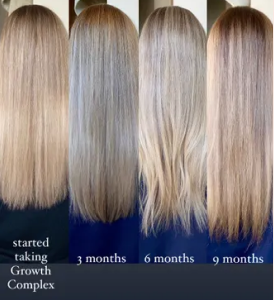
HAIRLOVE's Women's Growth Complex provides zinc, selenium, biotin, and Cynatine HNS — a bioavailable keratin studied for hair strength and reduced shedding — making it a useful complement to nutritional recovery after surgery.
When to Be Concerned
- Shedding has not plateaued by month six post-surgery
- You are also experiencing symptoms suggesting thyroid dysfunction, iron deficiency anemia, or other systemic issues
- The pattern looks patterned rather than diffuse — this may indicate androgenetic alopecia that surgical stress has unmasked
Your Recovery Is Likely Already Underway
Post-surgical hair loss follows a predictable pattern and, in most cases, a predictable recovery. The follicle is not permanently damaged — it entered a rest phase and will emerge from it. The most effective thing you can do during this period is provide the best possible nutritional environment. Check your ferritin, meet your protein targets, and be patient with the timeline. For those who had a hysterectomy specifically, the hair loss after hysterectomy post covers the additional hormonal dimension.


