



Hair loss has many causes, nutritional deficiencies, thyroid dysfunction, hormonal imbalances, autoimmune conditions, and most of them are diagnosable with straightforward blood tests. But the specific tests matter enormously. 'I had my blood work done and everything was normal' frequently means the tests ordered were not the ones with the highest diagnostic yield for hair loss.
Here is the complete panel worth requesting, what each test reveals, and the thresholds that actually matter for hair.
The Tier One Tests, Order These First
Ferritin (stored iron)
This is the single most important test for diffuse hair loss in women. Ferritin is the body's iron storage protein, and follicles are iron-dependent tissues. Standard 'iron tests' measure serum iron and transferrin saturation, not ferritin, you need to request ferritin specifically.
A study of 54 patients with diffuse hair loss, opens in a new tab found that serum ferritin and vitamin D were the deficiencies most consistently low. The threshold for hair loss risk is commonly set at below 30 mcg/L, significantly lower than the typical 'normal' lab range of 15 to 150 mcg/L. Many hair loss specialists use 70 to 100 mcg/L as the target for optimal follicle function.
TSH (thyroid stimulating hormone)
Both hypothyroidism and hyperthyroidism cause diffuse hair loss. TSH should be part of every diffuse hair loss workup. If TSH is abnormal, request free T4 and free T3 for a complete thyroid picture.
Vitamin D (25-hydroxyvitamin D)
Vitamin D receptors are present in hair follicles and play a role in the hair cycle. Low vitamin D is consistently associated with alopecia in the literature. A level below 30 ng/mL is considered deficient by most clinical standards. Optimal for hair is generally considered above 40 ng/mL.
Complete blood count (CBC)
CBC measures hemoglobin, red blood cell count, and related parameters. Anemia from iron deficiency or other causes can drive hair loss. However, CBC can be normal while ferritin is significantly depleted, ferritin is the more sensitive early indicator.
Tier Two Tests, Add for Hormonal or Pattern Concerns
Total and free testosterone
Relevant for women with diffuse crown thinning, PCOS, or other signs of androgen excess. Free testosterone is often more clinically meaningful than total testosterone because it reflects the biologically active fraction.
SHBG (sex hormone binding globulin)
Low SHBG means more free testosterone is available to bind to follicle androgen receptors. Should be ordered alongside testosterone for the complete androgenic picture.
DHEAS (dehydroepiandrosterone sulfate)
An adrenal androgen precursor that can drive hair loss independently of testosterone. Often overlooked. See the DHEA and hair loss post for more.
LH and FSH
Helpful for women: elevated LH-to-FSH ratio is characteristic of PCOS; elevated FSH and LH with low estradiol indicates perimenopause or menopause.
Prolactin
Elevated prolactin is a relatively common and often missed cause of hair loss. It can occur from a benign pituitary adenoma (prolactinoma) or from certain medications.
Tier Three, Add for Autoimmune or Specific Condition Concerns
ANA (antinuclear antibody)
Screening test for autoimmune conditions including lupus. Relevant when hair loss is accompanied by other systemic symptoms.
tTG-IgA (tissue transglutaminase IgA)
Celiac disease screening. Relevant for any patient with hair loss plus digestive symptoms, iron deficiency anemia, or other nutrient malabsorption signs.
Vitamin B12 and folate
Deficiencies can cause hair loss, though a study of 54 patients found B12 and folate levels similar between those with and without hair loss, opens in a new tab. B12 testing is particularly important for anyone on metformin or following a vegan diet.
Zinc
Low zinc is found in a significant proportion of women with female pattern hair loss. Consider adding when other Tier 1 tests are normal.
What to Ask For
When requesting a hair loss workup from your physician, specifically ask for: ferritin, TSH, free T4, 25-OH vitamin D, CBC, total and free testosterone, SHBG, DHEAS, LH, FSH, prolactin, and zinc. This comprehensive panel catches the vast majority of treatable causes of hair loss.
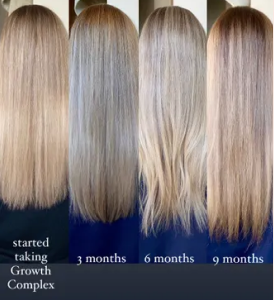
HAIRLOVE's Women's Growth Complex addresses the most common nutritional findings from this workup, zinc, selenium, and Cynatine HNS, to support follicle health whether or not a clinical deficiency is found.


