



Magnesium is involved in more than 300 enzymatic reactions in the body, including protein synthesis, DNA replication, and regulation of the HPA (hypothalamic-pituitary-adrenal) axis, the system that controls cortisol production. When magnesium is low, all three of these functions are impaired, and all three matter for hair.
Why Magnesium Matters for Hair
Protein synthesis
Hair is made of keratin, a protein. Building keratin requires an intact protein synthesis pathway, and magnesium is an essential cofactor for the ribosomes that assemble proteins. Without adequate magnesium, protein synthesis across all cell types, including follicle matrix cells, is impaired.
Cortisol regulation
Magnesium modulates HPA axis activity. Low magnesium is associated with elevated cortisol levels, and chronic cortisol elevation is a well-established trigger for telogen effluvium. The hair follicle is particularly sensitive to cortisol, high cortisol shortens the anagen phase and pushes follicles toward the resting phase prematurely.
Calcium-to-magnesium balance at the follicle
Magnesium and calcium interact in follicle function. Excess calcium in hair follicles has been associated with calcification that contributes to follicle dysfunction. Adequate magnesium helps maintain the appropriate balance.
How Common Is Magnesium Deficiency?
Magnesium deficiency is estimated to affect 48 to 68% of the US population based on dietary intake surveys. The threshold for symptoms varies by individual, and blood tests for magnesium are unreliable for detecting subclinical deficiency because the body maintains serum magnesium levels at the expense of tissue stores. You can have low cellular magnesium with a normal serum level.
Common contributors to low magnesium include high sugar intake (sugar displaces magnesium in metabolic pathways), high caffeine intake (increases renal magnesium excretion), chronic stress (elevated cortisol depletes magnesium in a feedback loop), and digestive conditions that impair absorption.
Does Taking Magnesium Grow Hair?
There are no large clinical trials specifically demonstrating hair regrowth from magnesium supplementation in humans with androgenetic alopecia. What the evidence supports is that correcting magnesium deficiency removes a contributing factor to hair loss rather than actively stimulating new growth.
For people experiencing hair loss alongside the common signs of magnesium deficiency, muscle cramps, poor sleep, high stress, anxiety, constipation, magnesium supplementation may reduce the cortisol-mediated and protein-synthesis-mediated components of their hair loss.
How to Supplement
- Magnesium glycinate and magnesium threonate are the most bioavailable forms with the least gastrointestinal side effects
- Standard supplementation doses: 200 to 400mg elemental magnesium daily
- Magnesium oxide is commonly sold and cheapest but poorly absorbed, not the preferred form
- Topical magnesium oil has enthusiastic anecdotal support but limited clinical evidence for systemic magnesium status
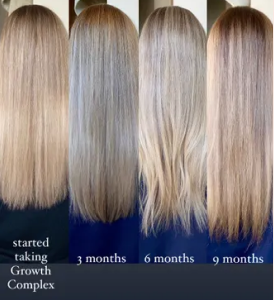
HAIRLOVE's Women's Growth Complex addresses protein synthesis support with Cynatine HNS, a bioavailable form of keratin, alongside zinc and selenium. For more on how cortisol connects to hair loss, see the chronic stress and hair loss post.


