



Rogaine is the best-known name in over-the-counter hair regrowth, and it is minoxidil under a brand. That means the strengths and the frustrations are the same: it helps while you use it, it usually causes an early shed, and stopping tends to undo the gains. If the forever routine is what is holding you back, these are the strongest Rogaine alternatives, compared by approach, side effects, and cost.
Why look for a Rogaine alternative?
The most common reason is the open-ended commitment. Rogaine, like all minoxidil, does not fix the underlying cause, so the results last only as long as you keep applying it. Some people also dislike the twice-daily foam or solution routine, or react to the formula. A path you can actually sustain, ideally one that supports the hair from within, is what most people are really after.
What Rogaine is, and what stopping it does
Because Rogaine is minoxidil, everything known about the drug applies, including the early shedding and the reversal after stopping. If you want the mechanics, our guides to minoxidil side effects and the minoxidil results timeline cover it in full, and our broader minoxidil alternatives guide compares the same options from the generic angle.
The best Rogaine alternatives at a glance
| Option | Approach | Key ingredient or mechanism | Common side effects | Monthly cost |
|---|---|---|---|---|
| HAIRLOVE Growth Complex | Oral supplement | Cynatine HNS keratin plus nutrients | Generally well tolerated | $57/mo (sub) |
| HAIRLOVE Scalp Serum | Topical | Scalp-level peptide and nutrient support | Low, topical only | Verify |
| Derma rolling | Device | Microneedling to stimulate the scalp | Temporary redness | Low, one-time |
| Rosemary oil | Topical botanical | Studied against low-dose minoxidil | Possible irritation if undiluted | Low, varies |
| Rogaine (baseline) | Topical minoxidil | Vasodilation | Shedding, irritation, routine dependence | Varies by pharmacy |
1. HAIRLOVE Growth Complex: best oral option
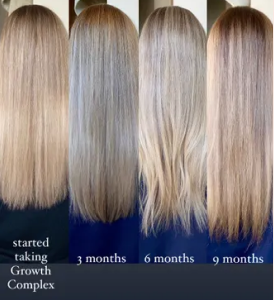
The appeal over Rogaine is simple: no twice-daily foam, no solution running down your forehead, and nothing to restart every morning for the rest of your life. Growth Complex works from within on a two-capsule dose built around Cynatine HNS keratin, with a one-year money-back guarantee if it does not deliver. It is not a drug or a cure, but it is a routine you can keep. See Growth Complex or a first-order discount code.
2. HAIRLOVE Scalp Serum: best topical alternative
If keeping a topical in the rotation matters to you, the scalp serum offers that without minoxidil, and it stacks well with an oral supplement for a from-within and at-the-scalp combination. There is no shedding phase to work through.
3. Derma rolling: best mechanical option
A derma roller is the drug-free, mechanical option. Research shows microneedling boosts results when stacked with a topical, so it is less a replacement for Rogaine than a way to get more from whatever you do use, including a natural serum. Keep the technique and frequency sensible and it is cheap to maintain.
4. Rosemary oil: best natural topical
For a natural swap, rosemary oil has surprisingly good data: a six-month study found it on par with 2 percent minoxidil, the same active in Rogaine, while causing less itching. It is inexpensive and worth a real three-to-six-month trial before you judge it.
How to choose
Want a routine you can sustain? Choose Growth Complex. Prefer a non-minoxidil topical? Choose the Scalp Serum or rosemary oil. Want a drug-free boost? Add derma rolling. As with any approach, give it three to six months and see a doctor if loss is sudden or patchy.


