




Minoxidil is the most recommended over-the-counter hair-loss treatment, and it does work for many people. Before you commit to applying it twice a day for the rest of your life, though, you want the full picture. Here is a clear breakdown of the side effects, topical and oral, what causes them, and who should be careful.
What Minoxidil Is and How It Works
Minoxidil started life in the 1970s as a blood-pressure drug. Doctors noticed it grew hair, and the topical version followed. It is a vasodilator, meaning it widens blood vessels, which is thought to improve blood flow to the follicle and extend the growth phase. It comes as a 2% or 5% topical solution or foam, and increasingly as a low-dose oral tablet. The catch that applies to every version: the results depend on continued use, and they reverse if you stop.
The Most Commonly Reported Side Effects (Topical)
For topical minoxidil, the most common issue is irritant or allergic contact dermatitis, opens in a new tab: itching, flaking, and scaling on the scalp. This is often a reaction to propylene glycol in the solution rather than the minoxidil itself, which is why the foam, which usually skips propylene glycol, can be gentler.
Two other effects surprise people. There is an initial increase in shedding in the first few weeks, sometimes called the dread shed, as follicles reset into a new cycle. And minoxidil can cause unwanted hair growth (hypertrichosis) beyond the scalp, on the face in particular, more often with the 5% strength and more often in women.
The Side Effects of Oral Minoxidil
Low-dose oral minoxidil has become popular, but because it acts throughout the body rather than just the scalp, its side-effect profile is broader. Hypertrichosis is very common. Fluid retention and swelling can occur, and because the drug lowers blood pressure, some people experience dizziness, a racing heartbeat, or other cardiovascular effects. These are dose-dependent, and rare cases of pericardial effusion have been reported, opens in a new tab, which is why oral minoxidil is prescription-only and usually monitored by a doctor.
The Concern That Gets the Least Attention
The side effect nobody frames as a side effect is the commitment. Minoxidil is not a course of treatment, it is a permanent routine. Stop, and within weeks the shedding returns and any gains fade, often back past where you started. For a lot of people that lifelong dependency, twice a day, is the real deciding factor, more than any rash or shed.
Who Should Be Cautious
Anyone with a heart condition or low blood pressure should use minoxidil, especially oral, only under medical supervision. Pregnant and nursing women are generally advised to avoid it. And anyone with a sensitive scalp or a known propylene glycol allergy should consider the foam and patch test first.
Is There a Drug-Free Alternative?
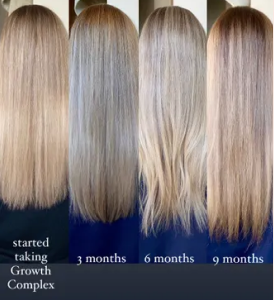
Minoxidil is a drug, and its side effects come with the territory. If you would rather support your hair without a pharmaceutical, the HAIRLOVE Growth Complex takes a different route: Cynatine HNS keratin, zinc, and selenium, working from within, with none of the hypertrichosis or cardiovascular profile that comes with minoxidil. It is 100% natural, drug-free, and $47 a month. It is not a prescription treatment for advanced pattern loss, and for that you should talk to a doctor, but as a daily, drug-free way to support hair strength and growth it is worth knowing about. If you are specifically weighing the oral route, our guide to oral minoxidil for women covers that in more detail.
Making Any Approach Work Better
Whatever you choose, give it at least 90 days, since hair grows slowly and early shedding can be misleading. Rule out the common drivers of loss that no single treatment fixes, particularly low iron, ferritin, and vitamin D. And be consistent, because inconsistency is the most common reason any approach appears to fail.
Reading Between the Lines
Minoxidil is effective and FDA-approved, and for topical use the side effects are mostly mild and manageable. Oral minoxidil asks for more caution and medical oversight. The honest deciding factors for most people are the initial shed, the possibility of unwanted facial hair, and the lifelong commitment. Talk to your doctor about whether it fits, and know that a drug-free option exists if you would rather start there.


