



Minoxidil is the most familiar over-the-counter answer to thinning hair, and it helps many people. It also comes with a catch most packaging downplays: it works only while you keep using it, it often causes an initial shed, it can irritate the scalp, and the oral form carries systemic effects. If any of that gives you pause, there are gentler ways to support regrowth. This guide compares the best minoxidil alternatives by approach, side effects, and cost.
Why look for a minoxidil alternative?
Minoxidil is a vasodilator that was repurposed for hair. For most users the main frustration is not danger, it is the commitment: stop applying it and the regrown hair typically falls out within months. Some people also react to the propylene glycol in older solutions, and the newer oral route can cause unwanted body hair and fluid retention. None of that makes minoxidil a bad option, but it does send people looking for something they can live with long term.
The dread shed, and what stopping minoxidil does
The early shedding that minoxidil often triggers, sometimes called the dread shed, is usually temporary as follicles reset into a new growth phase. The bigger issue is reversibility: because minoxidil does not address the underlying cause, stopping it generally returns you to your prior rate of loss. For more on what to expect, see our minoxidil results timeline and the full rundown of minoxidil side effects.
The best minoxidil alternatives at a glance
| Option | Approach | Key ingredient or mechanism | Common side effects | Monthly cost |
|---|---|---|---|---|
| HAIRLOVE Growth Complex | Oral supplement | Cynatine HNS keratin plus nutrients | Generally well tolerated | $57/mo (sub) |
| HAIRLOVE Scalp Serum | Topical | Scalp-level peptide and nutrient support | Low, topical only | Verify |
| Derma rolling | Device | Microneedling to stimulate the scalp | Temporary redness | Low, one-time |
| Rosemary oil | Topical botanical | Studied against low-dose minoxidil | Possible irritation if undiluted | Low, varies |
| Minoxidil (baseline) | Topical or oral | Vasodilation | Shedding, irritation, systemic effects (oral) | Varies by pharmacy |
1. HAIRLOVE Growth Complex: best oral, nourish-from-within option
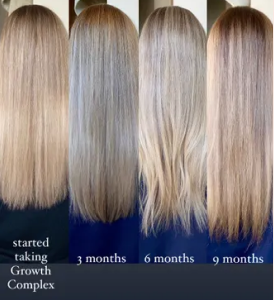
Where minoxidil commits you to a bottle you can never put down, Growth Complex is a foundation you can actually live with, built around Cynatine HNS keratin and a transparent blend of vitamins and minerals taken twice a day. There is no shedding phase to push through and no cliff if you miss a week, and it is backed by a one-year money-back guarantee. It is not a drug and not a cure, but it is easy to stay on. See Growth Complex or grab a first-order discount code.
2. HAIRLOVE Scalp Serum: best topical alternative
If you like a topical in your routine but want to leave minoxidil behind, the scalp serum works at the scalp with peptide and nutrient support and no shedding phase to grind through. Many people run it on top of the oral supplement for a from-within and at-the-scalp combination.
3. Derma rolling: best mechanical option
Microneedling with a derma roller creates tiny channels in the scalp that appear to wake up dormant follicles. In a randomized study, men who added microneedling to a topical grew noticeably more hair than those using the topical alone, which makes it most useful as a multiplier rather than a solo act. It is inexpensive and drug-free, though technique and consistency matter.
4. Rosemary oil: best studied natural topical
Rosemary oil is the natural topical with the most convincing evidence. In a six-month trial it performed comparably to 2 percent minoxidil, with less scalp itching, which makes it a credible swap for people who want to stay off the drug. See the rosemary oil ingredient page for how to use it safely.
How to choose
Want the simplest long-term foundation? Choose Growth Complex. Prefer a topical without minoxidil? Choose the Scalp Serum or rosemary oil. Want a drug-free mechanical boost? Add derma rolling. Most people do best combining an oral supplement with one scalp approach, and giving it three to six months.


