


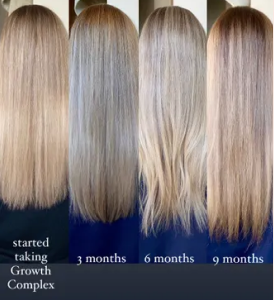


The single most important structural fact about hair is one that rarely appears in hair supplement marketing: hair is made of protein. Specifically, the hair shaft is approximately 95% keratin, a structural protein produced by follicle matrix cells. If you are not supplying your body with the protein it needs to manufacture keratin at the rate your hair follicles demand, your hair will reflect that deficit before almost any other tissue does.
Why the Follicle Has a High Protein Requirement
Hair follicle matrix cells are among the most rapidly dividing cells in the human body, second only to bone marrow. This rapid division requires a sustained supply of amino acids, particularly cysteine, which is the most abundant amino acid in keratin and forms the disulfide bonds that give keratin its structural strength.
When dietary protein intake falls below the level required to support this demand, the body prioritizes protein for essential functions (organ maintenance, immune function, wound repair) over non-essential ones. Hair is classified as non-essential in this hierarchy. The follicle response is typically an acceleration into the resting phase (telogen) and a reduction in hair shaft diameter, producing thinner, more breakage-prone strands.
How Much Protein Is Actually Enough
The standard recommended dietary allowance for protein is 0.8g per kilogram of body weight per day for sedentary adults. This is the minimum to prevent deficiency, not the optimal for hair growth. Research on hair health and protein requirements suggests that 1.2 to 1.6g per kilogram daily is a more appropriate target, particularly for women experiencing hair loss.
Many women, particularly those following calorie-restricted diets or plant-forward eating patterns, fall below even the minimum recommendation without realizing it. Hair loss in this context is a nutritional communication from your body, not a primary hair condition.
Dietary Protein vs Keratin Supplementation
Dietary protein provides amino acids that the body must then assemble into keratin through a multi-step synthesis process. This is a complete and valid route to supporting hair growth, but it depends on adequate overall protein intake, good digestive function, and no competing demands that pull amino acids away from hair synthesis.
Keratin supplementation via Cynatine HNS takes a more direct route: supplying a bioavailable form of keratin protein that can be absorbed and utilized for hair, skin, and nail tissue. Standard keratin is not absorbable because it is water-insoluble. Cynatine HNS undergoes a patented solubilization process that makes it bioavailable, and clinical data shows it reaches the relevant tissues.
The two approaches are complementary. Adequate dietary protein covers the systemic amino acid demand. Cynatine HNS in Growth Complex directly supports the hair-specific keratin requirement.
Foods Highest in Cysteine
Cysteine is the amino acid most concentrated in keratin and therefore the most directly relevant dietary input for hair shaft production. Foods highest in cysteine include eggs (particularly egg whites), chicken and turkey, lean beef, sunflower seeds, legumes (lentils, chickpeas), and oats. A diet that includes adequate variety from these sources provides the cysteine substrate for keratin synthesis alongside the other essential amino acids.
For people following a plant-forward diet, legumes and sunflower seeds are the primary cysteine sources. These are adequate but typically at lower concentrations than animal-source proteins. Plant-based eaters are more likely to benefit from direct keratin supplementation through Cynatine HNS because the dietary route is less concentrated.
Signs Your Hair May Be Protein-Deficient
Hair that is noticeably more elastic than usual (stretches significantly before breaking rather than snapping cleanly) can indicate reduced keratin structural integrity. Hair that has become progressively thinner in diameter, even without dramatic shedding, may reflect reduced protein supply to the follicle matrix. Nails that are soft or peel easily can be a concurrent indicator.
The Cysteine-Rich Foods Worth Adding
If you want to support keratin synthesis through diet alongside supplementation, prioritizing cysteine-rich foods is the most targeted approach. Eggs (particularly egg whites), chicken, turkey, lean beef, sunflower seeds, lentils, and oats are the highest cysteine sources in a typical diet. For plant-forward eaters, sunflower seeds and lentils combined in a day's meals provide a reasonable cysteine supply alongside the direct keratin support from Cynatine HNS in the supplement. The dietary approach and the supplement approach are complementary, not competing.


