


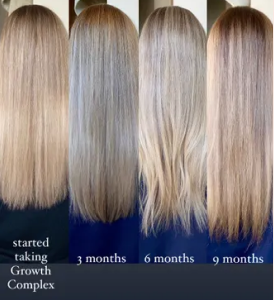


Scalp buildup is one of the most common and most underaddressed contributors to a suboptimal hair growth environment. It does not cause dramatic hair loss the way nutritional deficit or hormonal imbalance does, but it creates ongoing friction (literally and biologically) that compounds over months into visible effects on scalp health and hair cycling.
What Scalp Buildup Actually Is
Scalp buildup is the accumulation of one or more of:
- Sebum: the scalp's natural oil, produced by sebaceous glands adjacent to each follicle. Sebum at normal levels is beneficial and protective. Excess sebum, particularly in people with oily scalp types or infrequent washing, accumulates around follicle openings.
- Dead skin cells (scalp desquamation): the scalp sheds its outermost skin layer continuously. These cells mix with sebum and product residue to form visible or invisible buildup.
- Product residue: silicones, polymers, waxes, and oils from hair products that do not fully wash out with regular shampooing. Dry shampoo is a particularly common source of stubborn buildup.
- Environmental debris: pollution particles, mineral deposits from hard water, and airborne particulates that accumulate on the scalp between washes.
How Buildup Affects Hair Growth
The follicle opening is the point through which the hair shaft emerges from the scalp. Buildup that accumulates around the follicle opening can:
- Obstruct the emerging hair shaft, creating friction that weakens the shaft at the scalp level.
- Trap bacteria and fungi (particularly Malassezia) in an environment that promotes inflammation.
- Create a pro-inflammatory scalp microenvironment that can impair the follicle cycle. Scalp inflammation is associated with both androgenetic alopecia progression and non-specific hair shedding.
- Reduce the absorption of topical treatments (serums, oils, minoxidil) by creating a barrier between the product and the scalp skin.
Signs of Scalp Buildup
- Visible flaking that is yellowish or waxy rather than dry and white (dry white flakes tend to be dandruff or seborrheic dermatitis; yellower, waxy flakes near the follicle opening often indicate sebum and product buildup).
- A scalp that feels greasy or heavy even shortly after washing.
- Hair that loses volume quickly after washing.
- Itching without visible redness or inflammation.
- Scalp that smells musty or develops an odor faster than expected.
How to Clear Buildup Effectively
Mechanical: Scalp Massage During Washing
The Detox Scalp Massager used during shampooing provides the mechanical action that breaks up and removes accumulated sebum and product residue from around follicle openings. The physical action of the silicone bristles moving across the scalp surface disrupts buildup in a way that fingers or a washcloth cannot match, particularly for sebum that has oxidized and adhered to the follicle opening.
Chemical: Clarifying Shampoo
A clarifying shampoo (containing chelating agents like EDTA, or sulfates that strip both product buildup and sebum) used once every two to four weeks removes the mineral deposits and product accumulation that regular shampoo misses. Follow with a conditioner on the lengths and ends to restore moisture after the more thorough cleansing.
Scalp Treatment
After clearing buildup, applying Scalp Serum to the clean, exposed scalp allows the active ingredients to reach the follicle level without the obstruction of buildup. The cleared scalp is the condition under which topical treatments work best.
Building a Buildup Prevention Routine
Prevention is more effective than periodic intensive clearing. Washing your hair at the frequency your scalp type requires (oilier scalps benefit from more frequent washing), using the Detox Scalp Massager every wash day, and incorporating a clarifying wash every few weeks keeps the scalp environment clean and the follicle openings clear. Internal nutritional support through Growth Complex works most effectively when the scalp environment is in good condition to allow healthy follicle cycling.
The Role of Water Quality
Hard water is an underappreciated contributor to scalp buildup in many parts of the country. Hard water contains elevated concentrations of calcium and magnesium minerals that deposit on the hair shaft and scalp surface during washing. These mineral deposits are not removed by standard shampoo and require a chelating agent (often found in clarifying shampoos as EDTA or citric acid) for removal.
If your scalp buildup does not respond well to increased washing frequency or standard shampoo changes, hard water deposits may be the cause. A chelating or clarifying shampoo used monthly, or a shower head filter if the water hardness is significant, can address this specific cause of buildup that mechanical massage alone cannot fully clear.


