



If you have looked at scalp tools in the past year, you have probably seen silicone devices marketed as both scalp scrubbers and scalp massagers. Sometimes the same product is listed under both names. The terminology is inconsistent, which makes it hard to know what you are actually buying or whether there is a meaningful difference between them.
What a Scalp Scrubber Does
A scalp scrubber is primarily a physical exfoliation tool. The silicone bristles or nubs on the tool, when used with shampoo, physically loosen and remove buildup from the scalp surface: dead skin cells, excess sebum, dry shampoo residue, and product accumulation. This is a cleansing function.
What a Scalp Massager Does
A scalp massager is primarily a circulation and stimulation tool. The design is focused on applying consistent, moderate pressure across the scalp to stimulate blood flow to the follicle and underlying dermal papilla. Many scalp massagers are also used to distribute product (serum, oil, treatment) evenly across the scalp after application, improving coverage and absorption.
Where They Overlap
Most silicone scalp tools do both things to some degree. Used dry before applying serum: massager function. Used with shampoo during washing: scrubber function. The same device can serve both purposes.
Which One Is Right for You
If your primary concern is scalp buildup, product residue, and scalp hygiene: use any silicone scalp tool during shampooing with focus on thorough coverage and product removal.
If your primary concern is scalp circulation, follicle stimulation, and improving serum absorption: use a scalp massager on a clean scalp before or during serum application, with consistent medium-pressure circular movements across the full scalp.
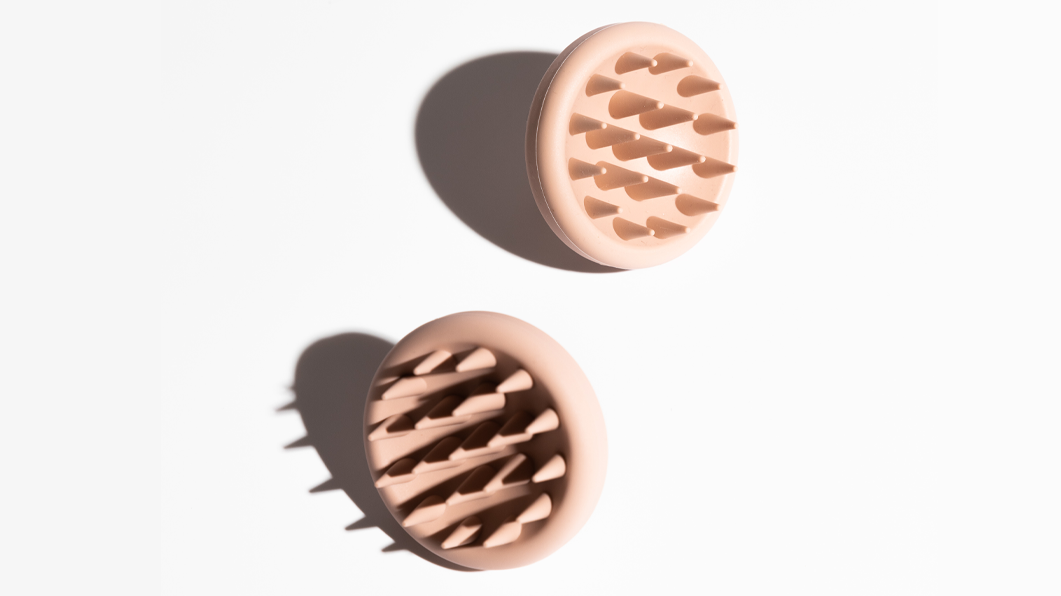
The Detox Scalp Massager is designed for both functions. In the shower with shampoo, it provides the scrubbing and cleansing action. On a clean scalp before applying Scalp Serum, it provides the circulation stimulation and helps distribute and absorb the serum. One tool, two uses.
Does Scalp Stimulation Actually Help Hair Growth?
The Koyama 2016 study showed increased hair shaft diameter after 24 weeks of daily 4-minute standardized scalp massage. The mechanism is believed to involve mechanical stretching of follicle cells, improving their protein production. This is preliminary evidence, not definitive proof, but it is the best available evidence and is mechanistically plausible.
The cleansing function is more clearly beneficial: scalp buildup can obstruct follicle openings and create an inflammatory environment that impairs hair cycling. Keeping the scalp clean and free of buildup supports normal follicle function regardless of the growth stimulation question.
Building the Scalp Care Habit
Scalp care works through consistency, not intensity. A single deep scalp scrubbing session does not produce lasting results any more than a single workout produces fitness. The benefit comes from the cumulative effect of regular practice: consistent scalp stimulation improving circulation over weeks, regular cleansing preventing the gradual accumulation of buildup that impairs follicle function.
The most sustainable approach is to integrate the scalp massager into the existing habit of washing your hair. Using it every time you shampoo adds no additional steps to your routine, just a more effective execution of steps you are already taking. On days when you apply Scalp Serum, use the massager during application to extend the stimulation and improve distribution. Two uses, one tool, no additional time required.
When to Use the Scalp Massager With Serum
On derma rolling days (once per week), the sequence is: Derma Roller on clean dry scalp, then Scalp Serum applied immediately after. The massager is most useful in this sequence during serum application, to ensure even distribution across the micro-channels and extend the absorption window. On non-rolling days, use the massager during shampooing for the cleansing function, then apply Scalp Serum after towel drying and use the massager again lightly during application to distribute the serum. This two-use daily habit covers both the mechanical stimulation and the product delivery functions without requiring any additional time in your routine.
Scalp Health as a Long-Term Practice
Scalp tools deliver their full benefit through consistent long-term use rather than periodic intensive treatment. A scalp that receives regular gentle stimulation and cleansing develops better circulation and a cleaner follicle environment over months than one that receives aggressive treatment occasionally. The approach that works is the one you will actually maintain.
If a three-to-five-minute daily scalp massage session feels like too much time, start with the wash-day approach: use the Detox Scalp Massager every time you shampoo, which requires no additional time, and build from there. Consistency at a lower intensity beats intensity at low consistency for scalp health outcomes, just as it does for hair supplement results.


