



Walk down any beauty aisle or scroll through any hair care section online and you will find dozens of shampoos marketed specifically for hair loss. The claims are confident, the packaging is clinical, and the price points range from drugstore to dermatologist. But most shampoos for hair loss have a fundamental limitation that no ingredient list can fix: they rinse off.
This post covers which shampoo ingredients have actual evidence behind them, which are largely decorative, and what shampoo can and cannot do for hair loss.
What Shampoo Can Actually Do for Hair Loss
A shampoo addresses the scalp environment during the brief time it is on the skin before rinsing. Its realistic functions for hair loss are:
- Remove sebum, dead skin cells, and product buildup that can obstruct follicle openings and create an inflammatory scalp environment.
- Deliver anti-inflammatory or antifungal actives (like ketoconazole) to the scalp surface during the contact period.
- Create conditions for better absorption of leave-in treatments by clearing the scalp surface of buildup before application.
What shampoo cannot do: penetrate the follicle, supply the protein and minerals the follicle matrix needs to grow a hair shaft, or address the hormonal, nutritional, or genetic causes of hair loss systemically.
Ingredients Worth Looking For
- Ketoconazole (1% to 2%): the most evidence-backed active ingredient in hair loss shampoos. An antifungal that also has documented mild DHT-blocking properties at the scalp level. Clinical studies have shown ketoconazole shampoo reduces hair shedding and improves hair density in androgenetic alopecia when used consistently.
- Salicylic acid (0.5% to 2%): a beta-hydroxy acid that exfoliates the scalp surface, clearing dead skin cell buildup and sebum from around follicle openings. Useful for scalp congestion and seborrheic dermatitis.
- Zinc pyrithione: an antifungal and antibacterial agent with evidence for reducing dandruff and scalp inflammation associated with seborrheic dermatitis.
- Biotin: included in many hair loss shampoos, but biotin applied topically is not absorbed into the follicle. The biotin in shampoo rinses off and does not replicate the benefit of oral biotin supplementation. Its presence on the label is largely cosmetic marketing.
Ingredients That Raise Flags
- Sulfates (SLS, SLES): aggressive surfactants that strip the scalp and hair shaft of natural oils and can contribute to scalp irritation. Not independently linked to hair loss in research, but associated with dryness, scalp sensitivity, and cuticle damage with frequent use.
- DMDM hydantoin and other formaldehyde-releasing preservatives: associated with scalp irritation and contact dermatitis in sensitive individuals. Avoid if you have a reactive scalp.
- Fragrances: a common cause of scalp contact dermatitis, particularly synthetic fragrances. Not a universal problem, but worth noting for anyone with scalp sensitivity.
The Shampoo-Supplement Gap
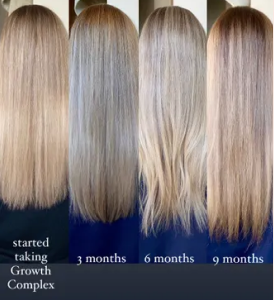
Shampoo clears the scalp surface. A supplement addresses the internal environment. These are complementary approaches rather than alternatives, and neither can substitute for the other. Using a ketoconazole shampoo to manage scalp inflammation while taking Growth Complex to provide the follicle with Cynatine HNS, zinc, selenium, and biotin addresses both the external scalp environment and the internal nutritional environment that the follicle needs.
The Inside-Out Bundle pairs Growth Complex with Scalp Serum for anyone who wants to address both the topical and internal dimensions with HAIRLOVE products. For the scalp cleansing function specifically, the Detox Scalp Massager used during shampooing improves product distribution and mechanical removal of buildup without requiring a medicated shampoo.
How to Evaluate Any Hair Loss Shampoo
Check the active ingredients section first, not the claims on the front of the bottle. Ketoconazole, zinc pyrithione, and salicylic acid are the actives with documented evidence. Everything else on the front of the bottle is marketing language that the ingredient list may or may not support. Check for sulfates, DMDM hydantoin, and fragrances if you have scalp sensitivity. And recognize that no shampoo alone will address the underlying nutritional or hormonal causes of most hair loss.


