




Testosterone replacement therapy can accelerate hair loss in men who are genetically susceptible to it. This is not a fringe concern — it is a predictable consequence of how the DHT pathway works. But 'TRT causes baldness' is not the complete picture either.
Why TRT Can Accelerate Hair Loss
TRT raises circulating testosterone levels. Some of that testosterone is converted into DHT by 5-alpha reductase. In men genetically predisposed to androgenetic alopecia, DHT binds to androgen receptors in scalp follicles and accelerates the miniaturization process — more testosterone means more raw material for this conversion.
Importantly: TRT does not cause male pattern hair loss from scratch. It can only accelerate a process that was already genetically programmed. Men with no androgenetic alopecia predisposition can use TRT without significant hair loss. Men already losing their hair may see it progress more quickly.
Injectable testosterone tends to create higher peak serum levels and potentially higher peak DHT compared to transdermal delivery (patches and gels), which produce more stable DHT levels. This is one reason delivery method matters for hair-conscious TRT users.
Who Is Most at Risk
- Men with a strong personal history of early-onset pattern baldness — already thinning before 30
- Men with a strong family history on both maternal and paternal sides
- Men on injectable testosterone at higher doses
- Men who do not use any concurrent DHT-blocking strategy
Options for Managing Hair Loss While on TRT
If you are on TRT and concerned about hair loss, these are strategies to discuss with your prescribing physician:
- Topical or oral finasteride: blocks the conversion of testosterone to DHT. Commonly used alongside TRT. A prescription medication with its own side effect profile requiring medical supervision
- Switching to transdermal delivery: gels and patches generally produce more stable, lower peak DHT than injectables
- Topical minoxidil: increases scalp blood flow and extends the anagen phase, used alongside DHT-blocking strategies
Please discuss any changes to your TRT protocol with your prescribing physician. TRT decisions involve your broader health picture and cannot be made based on hair concerns alone.
Nutritional Support While on TRT
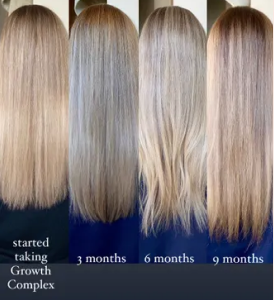
TRT users often have higher metabolic demands, and follicle-supporting nutrients including zinc, selenium, and protein can become relatively depleted. Men's Growth Complex provides zinc, selenium, and Cynatine HNS — a bioavailable keratin studied for hair strength and thickness. For a deeper explanation of how testosterone and DHT relate to hair loss, see the testosterone and hair loss in men post.
What This Means If You're Considering TRT
If you're considering TRT, hair loss should be part of the conversation with your doctor — particularly if you already have a family history of early baldness. TRT's benefits for energy, mood, and metabolic health are real and significant. The question is whether the hair cost is acceptable to you personally and what mitigation strategies make sense for your situation.


