


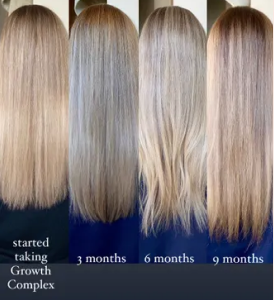


Finding alarming amounts of hair in the shower drain or on your brush is one of the more distressing hair experiences, and the internet's answers to 'why is my hair falling out' range from useful to panic-inducing. Here is a grounded, practical framework for understanding what is happening and what to do about it.
What Is Normal Shedding
Shedding 50 to 100 hairs per day is within the normal range for most people. This is the natural end of the telogen phase for hairs that completed their growth cycle. The shed hairs have a small white bulb at the root end (the telogen club) and a tapered, pointed tip. Normal shedding happens throughout the day, distributed across the scalp.
What Counts as Excessive
Shedding that is dramatically above your personal baseline, concentrated in time (happening suddenly rather than gradually), or accompanied by visible thinning at the scalp level is the pattern that warrants attention. A practical assessment: count your daily shed for three to five days during your normal routine. If you are consistently shedding more than 150 to 200 hairs per day with no recent explanation, that is worth investigating.
The Temporary Category: Telogen Effluvium
The most common cause of excessive shedding in otherwise healthy people is telogen effluvium: a large cohort of follicles entering the resting phase simultaneously in response to a stressor, then shedding together two to three months later. Triggers include:
- Significant weight loss or caloric restriction
- Illness, surgery, or significant physiological stress
- Postpartum hormone changes (estrogen drop after delivery)
- Starting or stopping hormonal birth control
- Iron deficiency or ferritin depletion (below 30 mcg/L)
- Severe emotional stress over an extended period
Telogen effluvium is self-limiting. Once the trigger resolves and nutritional status stabilizes, the follicles return to anagen and regrowth follows. The shed typically peaks two to five months after the trigger and resolves within nine to twelve months of onset.
What Supports Recovery
Addressing the nutritional variables that may have contributed to or been depleted by the trigger is the primary supportive action. Get ferritin checked. Increase protein intake to 1.2 to 1.6g per kilogram of body weight. Growth Complex provides Cynatine HNS, zinc, selenium, and biotin at doses relevant to follicle recovery. The Inside-Out Bundle adds topical Scalp Serum for the scalp environment layer. Sleep quality, addressed by Beauty Sleep, supports the growth hormone secretion that promotes anagen phase return.
When Shedding Warrants Medical Evaluation
See a dermatologist if: shedding does not improve within three to four months of the trigger resolving and nutritional support being in place, shedding is accompanied by patchy hair loss rather than diffuse loss, shedding is accompanied by systemic symptoms (fatigue, weight changes, temperature sensitivity suggesting thyroid issues), or no clear trigger can be identified.
A blood panel for ferritin (not just hemoglobin), full thyroid panel (TSH, free T3, free T4), vitamin D, zinc, sex hormones (DHEA-S, testosterone, estradiol), and CBC is the standard starting evaluation for unexplained excessive shedding.
Chronic Shedding: When It Is Not Telogen Effluvium
Shedding that persists longer than twelve months without improvement is likely not simple telogen effluvium. Chronic telogen effluvium (a separate diagnosis), androgenetic alopecia, alopecia areata, scarring alopecia, and systemic conditions can all produce persistent elevated shedding. These require dermatology evaluation for accurate diagnosis.
Tracking Shed Count for Assessment
The most practical tool for monitoring whether shedding is improving or worsening is a simple daily count. Pull a brush through dry hair in the morning, count the hairs, and note the number. Do this for three to five consecutive days to get a reliable baseline. Repeat the count at 60 and 90 days after starting any intervention. A consistent 20 to 40% reduction in daily shed count over 90 days of nutritional supplementation is a meaningful signal that the follicle environment is responding.
Do not count hairs after washing, which always yields a higher number because multiple days of shed have accumulated during time between washes. The daily dry-hair count is the more consistent measurement.


