




Hair loss is most commonly associated with older women and men, but it is increasingly common in the 20s and 30s age group. If you are younger than 35 and watching your hair thin, you are not alone and you are not imagining it. Here are the most common causes in this age group and what each one responds to.
Why Earlier Hair Loss Is Becoming More Common
Several factors contribute to hair loss occurring earlier than previous generations experienced. High-stress lifestyles and chronic psychological stress trigger telogen effluvium at higher rates. Restrictive diets and calorie cycling, common in weight-conscious younger demographics, deplete ferritin and protein. Widespread hormonal contraceptive use and the hair shedding that often follows discontinuation affect a significant proportion of women in their 20s. And androgenetic alopecia, while genetic, can manifest earlier in some people than in others.
20s: The Most Common Causes
Post-Birth Control Shedding
One of the most common hair loss triggers in the early-to-mid 20s is stopping hormonal birth control. Many forms of hormonal contraception suppress the hair follicle cycle in a way that mimics pregnancy estrogen (prolonging anagen). When the pill is stopped, the hormone drop triggers a synchronized shed similar to postpartum hair loss. The shed typically peaks two to three months after stopping and resolves within six to twelve months.
Telogen Effluvium From Diet and Stress
Crash dieting, restrictive eating patterns, and extreme caloric deficits are common in the 20s and are significant triggers for telogen effluvium. Ferritin depletion is especially common in women who combine caloric restriction with heavy periods. If you have recently lost weight rapidly or have been restricting calories significantly, this is the most likely explanation for a sudden shed.
Early PCOS
Polycystic ovary syndrome is typically diagnosed in the 20s and involves androgen excess that can cause hair loss in a male-pattern distribution (temples, crown) even in young women. PCOS-related hair loss requires hormonal management (spironolactone, birth control to manage androgens) and dermatology evaluation.
30s: Additional Causes
Thyroid Dysfunction
Both hypothyroidism and hyperthyroidism are more commonly diagnosed in women in their 30s and are a significant and treatable cause of diffuse hair loss. Thyroid-related hair loss is diffuse, often accompanied by other symptoms (fatigue, temperature sensitivity, weight changes), and responds to thyroid hormone management rather than hair-specific treatment.
Early Androgenetic Alopecia
Female pattern hair loss can begin as early as the late 20s or early 30s in women with genetic predisposition. It typically presents as widening of the part with diffuse thinning at the crown rather than hairline recession. Starting early intervention (topical minoxidil, nutritional support) at first signs preserves more follicle function than waiting until significant miniaturization has occurred.
Pregnancy and Postpartum
For women having children in their 30s, postpartum hair loss is a temporary but significant shed that is well-documented and resolves spontaneously. See the postpartum hair loss post for the full timeline and nutritional support approach.
What Helps Across Both Decades
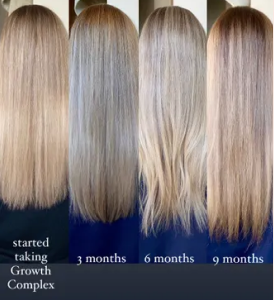
Regardless of the specific cause, the nutritional foundation is relevant for all categories: adequate protein (1.2 to 1.6g per kilogram of body weight), ferritin in the 70+ mcg/L range, and adequate zinc and selenium. Growth Complex addresses the nutritional layer. Beauty Sleep addresses the sleep quality and cortisol dimension that is particularly relevant for stress-triggered telogen effluvium in younger women. The Inside-Out Bundle combines Growth Complex and Scalp Serum for comprehensive internal and topical support.
Medical causes (PCOS, thyroid, significant androgenetic alopecia) require evaluation and appropriate treatment. Supplementation is supportive alongside medical management, not a substitute for it.
Starting Early: Why It Matters
For androgenetic alopecia specifically, follicle miniaturization is progressive and cumulative. The follicles that miniaturize early in the process are the ones most worth preserving, because miniaturized follicles that have been producing vellus hair for years respond less well to any treatment than follicles that have only recently begun miniaturizing. Starting nutritional support and (where indicated by a dermatologist) topical treatment in the 20s or early 30s when the first signs of thinning appear preserves more functional follicles than starting in the 40s when significant miniaturization has already occurred.
For telogen effluvium and nutritional causes, earlier identification and intervention typically means a shorter recovery period because the underlying nutritional deficit has had less time to compound into a more depleted state.


