



The connection between scalp fungal infections and hair loss is real but frequently misunderstood. Some fungal conditions cause hair loss directly; others cause it indirectly through scalp inflammation. Understanding which type you may be dealing with points to the right response, and helps you know when a dermatologist is necessary versus when scalp hygiene measures are appropriate.
The Main Fungal Conditions That Affect Hair
Tinea Capitis (Scalp Ringworm)
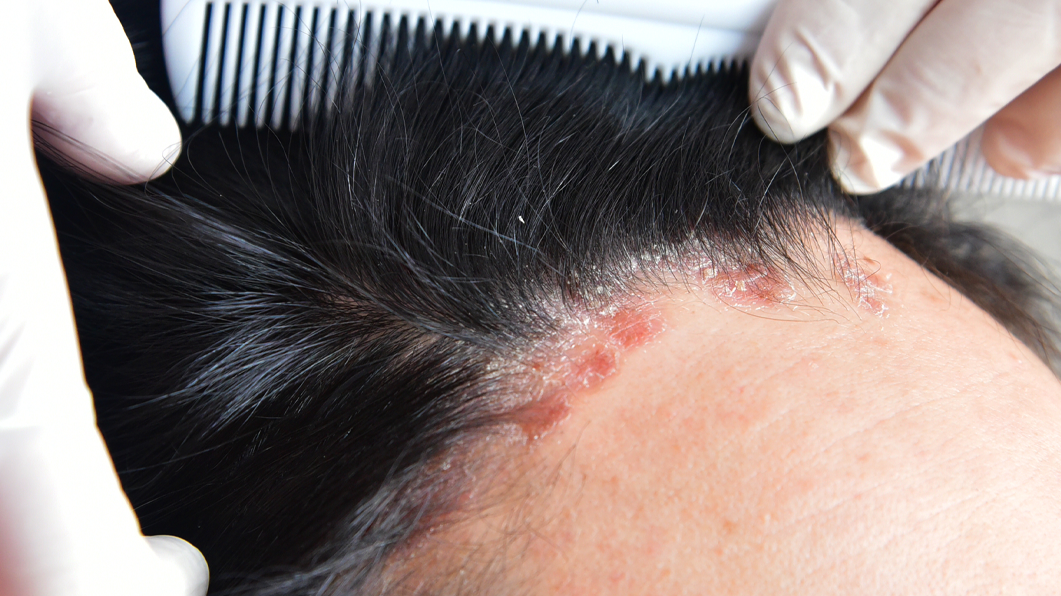
Tinea capitis is a dermatophyte fungal infection of the hair shaft and follicle. It is more common in children than adults, but adults are not immune. It causes patchy hair loss in the affected area, often with visible scaling, itching, and sometimes inflammation. The affected area may show hair broken off close to the scalp ('black dot' pattern) or areas of complete hair loss.
Tinea capitis requires oral antifungal treatment (typically terbinafine or griseofulvin) prescribed by a dermatologist. It will not respond adequately to antifungal shampoo alone because the infection is within the hair shaft and follicle, not just on the scalp surface.
Seborrheic Dermatitis
Seborrheic dermatitis is the most common scalp fungal-related condition in adults. It is driven by Malassezia, a yeast naturally present on all scalps that can overgrow in certain conditions (oiliness, humidity, immune changes). Seborrheic dermatitis causes scalp inflammation, flaking, and itching. The inflammation disrupts the follicle microenvironment, which can contribute to hair shedding.
Unlike tinea capitis, seborrheic dermatitis-related hair loss is typically diffuse and associated with visible scalp symptoms rather than patchy and localized. It responds well to antifungal shampoos (ketoconazole 1% to 2%, zinc pyrithione), topical anti-inflammatories, and consistent scalp hygiene.
Candida (Scalp Yeast Infection)
True candida infections of the scalp are uncommon in immunocompetent adults. Most scalp conditions attributed to 'yeast infection' are actually seborrheic dermatitis driven by Malassezia rather than Candida. The distinction matters because the treatments differ. A dermatologist can culture the scalp to confirm the specific organism if the diagnosis is unclear.
Signs That a Scalp Fungal Condition May Be Contributing to Hair Loss
- Patchy hair loss concentrated in areas with visible scalp symptoms (scaling, redness, itching).
- Hair that appears to break off at the scalp rather than shed with a root bulb attached.
- Scalp itching that is persistent and accompanies increased shedding.
- Flaking that does not respond to standard dandruff shampoo.
Diffuse shedding without visible scalp symptoms is less likely to be fungal in origin and more likely to be telogen effluvium, nutritional deficit, or hormonal. If scalp symptoms are absent, a fungal cause is lower on the probability list.
When to See a Dermatologist
See a dermatologist if: hair loss is patchy rather than diffuse, scalp symptoms are present alongside the shedding, shedding does not improve with standard dandruff shampoo use over four to six weeks, or if you suspect tinea capitis. Culture and examination of the scalp under magnification (dermoscopy) can confirm the diagnosis and guide treatment.
Supporting Scalp Health
For seborrheic dermatitis specifically, consistent scalp hygiene reduces the Malassezia overgrowth that drives the condition. Using the Detox Scalp Massager during shampooing helps clear the sebum and buildup that creates the environment Malassezia thrives in. Applying Scalp Serum after washing addresses the scalp environment between washes.
Nutritional support for the immune function that keeps scalp fungal organisms in check includes zinc and selenium, both of which are in Growth Complex. Zinc specifically has documented antifungal properties and is a component of zinc pyrithione, the active in many antifungal shampoos. Oral zinc supplementation supports the immune environment that manages scalp yeast populations alongside topical treatment.
Preventing Recurrence
Seborrheic dermatitis in particular is a chronic condition with a pattern of flare and remission rather than a one-time infection that resolves permanently. People prone to seborrheic dermatitis benefit from a maintenance routine even during remission: a zinc pyrithione or ketoconazole shampoo used one to two times per week, consistent scalp massage to prevent the sebum accumulation that Malassezia thrives in, and awareness of the triggers that tend to provoke flares (stress, seasonal changes, irregular washing).
For the nutritional support dimension, zinc has documented antifungal properties and is a component of zinc pyrithione, the active in many antifungal shampoos. Maintaining adequate dietary and supplemental zinc supports the scalp's immune environment alongside topical management.


