



Zoloft (sertraline) is one of the most widely prescribed SSRIs, and hair loss is a genuine concern for some users. The evidence is limited but real enough to take seriously.
Does Zoloft Cause Hair Loss?
Hair loss is listed as an infrequent adverse event in sertraline's prescribing information. A large observational study by Etminan et al. found that bupropion (Wellbutrin) had the highest relative risk of hair loss among compared antidepressants, with SSRIs including sertraline showing lower rates. This positions Zoloft's hair loss risk as lower than Wellbutrin but not zero.
The Mechanism: Telogen Effluvium
When Zoloft causes hair loss, the mechanism is telogen effluvium — the drug shifts follicles out of the anagen phase prematurely, and two to four months after starting or increasing the dose, those follicles shed. For most users, this is a transitional response: shedding typically normalizes within three to six months as the body adapts.
Who Is Most at Risk
- People who were nutritionally depleted (low ferritin, iron deficiency, low vitamin D) before starting — these deficiencies amplify drug-induced shedding
- Women: SSRIs in general have a more pronounced hair cycle effect in women, likely due to hormonal interactions
- Dose increases: can trigger a new phase of shedding after the body had adapted to the previous dose
What to Do
- Do not stop Zoloft without your prescriber's guidance. Abrupt discontinuation carries genuine risks.
- Tell your prescriber and note the timing relative to when you began or changed the medication
- Check ferritin, thyroid function, and vitamin D
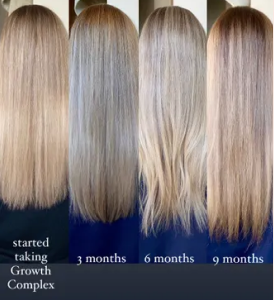
- Support follicle nutrition. Women's Growth Complex provides zinc, selenium, biotin, and Cynatine HNS
- Be patient. SSRI-related shedding typically resolves within six to nine months of consistent use as the body adapts
For comparison across antidepressants, see the Wellbutrin post and Lexapro post. For full drug class context, see the medications hub.


