




DMDM hydantoin has become a lightning rod, blamed across social media and class-action lawsuits for hair loss. The truth is more measured than the headlines, and worth understanding before you panic about your shampoo. Here is what this ingredient is, what it can genuinely do, and where the evidence runs out.
What It Is
DMDM hydantoin is a preservative, and specifically a formaldehyde releaser. It works by slowly giving off tiny amounts of formaldehyde over time to stop bacteria and mold growing in a product. It is permitted in cosmetics at low concentrations and shows up in a lot of shampoos, conditioners, and body washes. The amount of formaldehyde released in normal use is small, comparable, by some estimates, to what occurs naturally in a piece of fruit.
What the Science Actually Supports
Two things are well established. First, DMDM hydantoin is a formaldehyde releaser, and the FDA lists it as a common allergen in cosmetics. Second, in people who are allergic to formaldehyde, it can cause allergic contact dermatitis, scalp itching, redness, and inflammation. Where that scalp inflammation is severe enough to disrupt the hair cycle, it can lead to shedding, but that shedding is typically non-scarring and reversible once the trigger is removed.
What the Science Does Not Support
Here is the part the lawsuits and viral posts leave out: there is no robust, peer-reviewed clinical evidence, opens in a new tab establishing a direct causal link between DMDM hydantoin, at the concentrations permitted in cosmetics, and hair loss. The class actions allege it. The clinical proof is not there. Formaldehyde itself is a recognized carcinogen at meaningful exposure levels, which is a fair reason for caution, but the trace amounts released by a rinse-off shampoo are a different scale of exposure from, say, industrial or salon inhalation.
Who Should Be Cautious
Anyone with a known formaldehyde or preservative allergy, eczema, or a sensitive, easily inflamed scalp has the clearest reason to avoid formaldehyde releasers. If you have unexplained scalp irritation, DMDM hydantoin is a reasonable ingredient to check your labels for.
The Clean-Formula Angle
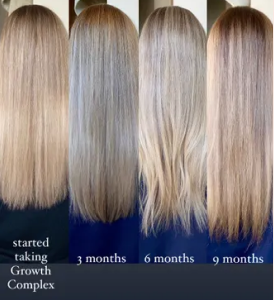
Whatever the lawsuits ultimately find, if you would simply rather not put a formaldehyde releaser on your scalp, that is a completely reasonable preference. It is the same instinct behind keeping HAIRLOVE's formulas clean and targeted. For more on the ingredients we watch for, see our guide to toxic products in hair and skin care, and if scalp health is your concern, the Scalp Serum and Growth Complex are built to support it from a different direction.
Reading Between the Lines
DMDM hydantoin is a real formaldehyde releaser and a genuine allergen worth avoiding if you are sensitive. But the sweeping claim that it causes hair loss is unproven. Read your labels, patch test if you react, and treat the lawsuit headlines as allegations rather than settled science.


