


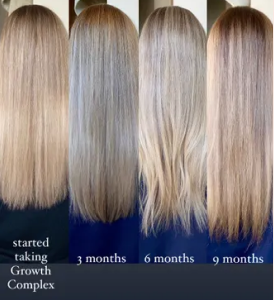

Vitamin D is best known for its role in bone health and immune function, but it also plays a direct role in the hair growth cycle. Vitamin D receptors are found in hair follicle cells, and research suggests that vitamin D helps activate follicles, stimulate the anagen (active growth) phase, and support the creation of new follicles from stem cells.
When vitamin D levels drop, more follicles can shift into the telogen (resting) phase prematurely, leading to increased shedding. Studies have also found associations between low vitamin D and alopecia areata, an autoimmune form of hair loss that causes patchy thinning.
Why Post-Winter Is the Highest-Risk Window
The body produces vitamin D in response to sunlight exposure on the skin. During winter, reduced daylight hours, heavier clothing, and more time spent indoors all limit the skin's ability to synthesize vitamin D naturally. By late winter and early spring, levels are typically at their annual low.
This is also why many women notice their shedding feels worse or their hair feels flatter and thinner coming out of February and March. The connection is real, and it's well documented in research.
A study published in Skin Appendage Disorders found meaningful associations between low serum vitamin D and various forms of hair loss in women, with researchers suggesting that testing vitamin D levels should be part of a standard hair loss workup.
Who Is Most at Risk
Vitamin D deficiency is especially common in women who:
- spend most of their time indoors
- live in northern climates or areas with limited sun
- have darker skin tones (which require more sun exposure to produce the same amount of vitamin D)
- follow vegan or dairy-free diets
- are over the age of 50
Older adults are less efficient at synthesizing vitamin D from sunlight regardless of exposure.
How to Know If You're Deficient
A simple blood test measuring serum 25-hydroxyvitamin D is the only reliable way to check. Many doctors include this in routine bloodwork, but it is worth specifically requesting if you have concerns about hair loss or ongoing fatigue. Optimal levels for hair health are generally considered to be at least 40 to 60 ng/mL.
What You Can Do
Increasing sun exposure in spring and summer is the most natural way to replenish levels, though this needs to be balanced with sun protection. Dietary sources of vitamin D include fatty fish, egg yolks, and fortified foods, though food alone rarely provides sufficient amounts.
Supplementation is often the most practical solution, particularly during and after winter. Talk to your doctor about the right dosage for your levels and lifestyle.
Supporting your hair nutritionally from multiple angles matters too. Vitamin D works best alongside other key nutrients. A complete approach that includes bioavailable keratin, zinc, biotin, and vitamin C addresses the full picture of what your follicles need to grow.
Sources
AAD; Cleveland Clinic; Skin Appendage Disorders, 2024; NIH/NCBI; International Journal of Molecular Sciences


