


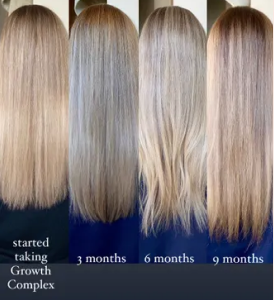

If you're in your late 30s, 40s, or 50s and your hair doesn't look or feel the way it used to, you're not alone. Perimenopause, the hormonal transition leading up to menopause, can have a significant impact on your hair.
What Is Perimenopause?
Menopause is defined as the point when you haven't had a menstrual cycle for 12 consecutive months. Perimenopause is the transition period leading up to that point, and it can begin up to 10 years before menopause itself. For most women, it starts in the mid-40s, but it can begin as early as the mid-30s.
During this time, estrogen and progesterone levels fluctuate and gradually decline. These shifts drive well-known symptoms like hot flashes and mood changes, but they also directly affect your hair.
How Hormonal Changes Affect Your Hair
Estrogen helps keep hair in the anagen (active growth) phase for longer, supports the collagen layer where follicles are rooted, and promotes scalp circulation. When estrogen declines, your growth phase shortens, meaning more hairs are shed at any given time and new growth is slower to replace them.
Without estrogen to balance them, androgens like DHT have more influence on your follicles. DHT can gradually shrink follicles, causing them to produce thinner, finer strands over time. This process is called follicular miniaturization.
The collagen layer of your skin also thins as estrogen drops. Since hair follicles are housed in this layer, the structural support for hair growth diminishes.
A 2024 study in Skin Appendage Disorders confirmed that hormonal fluctuations during the menopausal transition lead to decreased density, decreased caliber, and changes in texture. A survey of nearly 6,000 women found that half noticed hair thinning during perimenopause and menopause.
What Perimenopausal Hair Loss Looks Like
Unlike male pattern baldness, perimenopausal hair loss tends to be diffuse. Common signs include:
- a gradually widening part
- overall reduction in volume
- more hair in the brush or drain
- a noticeably thinner ponytail
- slower growth and increased breakage
- changes in texture (drier, more brittle)
What You Can Do
- Get bloodwork done. Iron, ferritin, vitamin D, zinc, thyroid hormones, and B12 are all worth checking. Correcting deficiencies can make a meaningful difference in hair quality.
- Prioritize protein and bioavailable nutrients. Hair is built from keratin. As your body's natural processes slow with age, giving your follicles access to bioavailable forms of keratin becomes even more important.
- Invest in scalp health. A healthy scalp is the foundation for every strand. Products that support circulation, reduce inflammation, and keep follicles clear of buildup create the optimal environment for growth.
- Talk to your doctor. If hair changes are significant, a healthcare provider can evaluate your hormone levels and discuss options including HRT or topical treatments.
- Be consistent and patient. Most experts recommend committing to a routine for at least 90 days before evaluating results.
The Bottom Line
Perimenopausal hair loss is common, it's real, and it's rooted in biology. Understanding the hormonal mechanisms behind it puts you in a position to take targeted, effective action.
Sources
Skin Appendage Disorders (2024); PubMed Central; American Academy of Dermatology; Newson Health Research; Cleveland Clinic


