



The timing is almost cruel: you've just been through pregnancy, delivery, and the first weeks of newborn life, and then around month 3 or 4, your hair starts coming out by the handful. It's alarming the first time it happens. It's also completely normal, and for most women, completely temporary.
Postpartum hair loss (technically postpartum telogen effluvium) is one of the most common forms of hair shedding in women, and it's one of the most manageable. Understanding what's happening biologically, and what support is appropriate during this phase, helps both reduce the severity and shorten the shedding window.
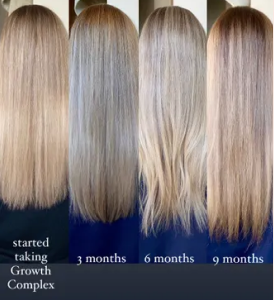
The Growth Complex contains ingredients specifically relevant to postpartum hair loss. But the question of timing and safety during breastfeeding is important and worth addressing directly.
What Causes Postpartum Hair Loss
During pregnancy, elevated estrogen levels prolong the anagen (active growth) phase. Many more hairs than usual stay in active growth throughout the pregnancy, which is why many women experience noticeably thicker hair while pregnant.
After delivery, estrogen levels drop sharply back to baseline. The hairs that were "held" in anagen during pregnancy now exit together and enter the telogen (resting) phase simultaneously. Two to four months later, those hairs shed en masse, all at once, rather than the normal staggered shedding pattern.
This is why postpartum shedding can be so dramatic. It's not a sign that something is wrong with your hair; it's a sign that your hormones are normalizing. For most women, shedding peaks at 3 to 5 months postpartum and resolves by 9 to 12 months. The full postpartum hair loss timeline covers what to expect month by month.
What Determines How Severe the Shedding Is
Not all postpartum shedding is equal. Several factors affect severity:
Nutritional status. Pregnancy and breastfeeding significantly increase nutritional demands. Iron, zinc, and B vitamins are frequently depleted during this period. Depleted ferritin (stored iron) dramatically increases shedding severity and prolongs the recovery window. This is the primary nutritional factor to address.
Breastfeeding duration. Breastfeeding prolongs the hormonal transition, which means shedding can continue for longer in nursing mothers than in those who don't breastfeed. This doesn't mean you should stop breastfeeding, just that the timeline may be extended.
Prior nutritional status. Women entering pregnancy with borderline micronutrient levels are more likely to have significant depletion by the postpartum period.
Thyroid function. Postpartum thyroiditis, a temporary thyroid inflammation, affects approximately 5 to 10% of women in the year after delivery. It can trigger additional hair shedding on top of the normal telogen effluvium pattern. Worth checking thyroid levels if shedding is severe or prolonged.
What to Take and When
The nutritional support approach for postpartum hair loss focuses on replenishing what pregnancy and early breastfeeding have depleted:
Continue prenatal vitamins through the postpartum period, especially if breastfeeding. They provide iron, folate, and vitamin D, though often at doses designed for pregnancy rather than hair recovery specifically.
Check ferritin specifically. Most postpartum bloodwork includes hemoglobin and hematocrit, but not ferritin. Request it. A ferritin below 30 to 40 ng/mL substantially prolongs shedding and is worth addressing directly.
Zinc. Frequently depleted during breastfeeding. Zinc is included in the Growth Complex formula and is compatible with breastfeeding at supplement doses.
Biotin. Generally recognized as safe during breastfeeding (it's a B vitamin present in breast milk naturally). The doses in a hair supplement (2,500 to 5,000 mcg) are well within the range considered safe.
Cynatine® HNS. Solubilized keratin, the primary active in the Growth Complex. It's a food-derived protein component. While there are no large-scale clinical trials specifically in breastfeeding women, the ingredient profile does not raise safety concerns at standard supplement doses.
Important note: If you are breastfeeding, consult your OB-GYN or midwife before starting any new supplement. This is standard guidance regardless of ingredient profile. Your provider can review your specific nutritional status and current medications.
When to Start
Waiting until active shedding begins (3 to 4 months postpartum) is reasonable if you've been on prenatal vitamins throughout pregnancy and are generally well-nourished. Proactive supplementation starting at delivery or immediately postpartum is a valid approach if you anticipate significant nutritional depletion or had shedding with a previous pregnancy.
The earlier deficiencies are addressed, the shorter the severe shedding window tends to be. Ferritin rebuilding in particular takes several months even with consistent supplementation, so starting earlier produces faster recovery.
What Won't Help
Hair treatments applied topically, masks, oils, scalp treatments, won't reduce the shedding. Postpartum telogen effluvium is driven internally by the hormonal and nutritional state. Topical care reduces breakage and maintains the health of the hair you have, but it doesn't shorten the shedding phase.
There is no supplement or treatment that will stop postpartum shedding entirely. The hormonal reset is inevitable. What nutritional support does is reduce how severe the shedding gets, support the regrowth phase, and shorten the overall window.
What New Mothers Actually Need to Know About Hair Loss
Postpartum hair loss is normal, temporary, and manageable. The primary intervention is nutritional: ferritin, zinc, and biotin are the most important factors to address. Start supplementation early, ideally within the first month postpartum rather than waiting until shedding is already severe, and consult your provider about any supplements during breastfeeding. The hair cycle responds over months, not weeks. Knowing that the timeline is measured in months, not years, makes it substantially easier to stay consistent through the shedding phase.
Frequently Asked Questions
Is postpartum hair loss normal and how long does it last?
Yes. It's one of the most common forms of hair shedding in women, affecting an estimated 40 to 50% of new mothers. Most women begin noticing it around 3 to 4 months postpartum, with shedding peaking at 4 to 5 months and resolving by 9 to 12 months. Breastfeeding can extend the timeline somewhat. Severity varies considerably, some women experience mild shedding, others lose noticeably more. In either case, the follicles are not damaged and regrowth is expected.
What vitamins help with postpartum hair loss?
In order of evidence and relevance: iron (specifically ferritin, request this test by name), zinc (depleted by pregnancy and breastfeeding), vitamin D (frequently low postpartum), and biotin (safe during breastfeeding, supports keratin production). A comprehensive supplement that addresses these, on top of continued prenatal vitamin use, provides the most complete nutritional support. Always discuss with your OB-GYN or midwife before adding any new supplement while breastfeeding.
Can breastfeeding cause more hair loss than not breastfeeding?
Breastfeeding prolongs the hormonal transition, which can extend the shedding window by a few months compared to women who aren't nursing. However, this isn't a reason to stop breastfeeding if you're choosing to. The hair loss is temporary regardless, and the postpartum shedding timeline difference is minor compared to the other considerations. Supporting nutritional status through breastfeeding is the more effective lever.
When should I be concerned about postpartum hair loss?
See a doctor if: shedding is still severe beyond 12 months postpartum, you notice patchy loss rather than diffuse shedding (which could indicate alopecia areata rather than telogen effluvium), or loss is accompanied by other symptoms like extreme fatigue, cold intolerance, or mood changes (which could indicate postpartum thyroiditis, a common and underdiagnosed condition affecting 5 to 10% of new mothers).
Sources
American Academy of Dermatology; Cleveland Clinic (postpartum telogen effluvium); NIH/NCBI (postpartum thyroiditis prevalence).


