


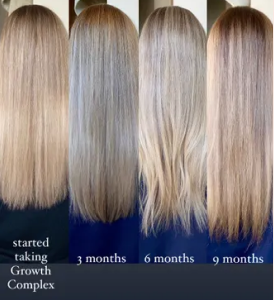

If you've noticed extra hair in your brush, on your pillow, or pooling in the shower drain this time of year, you're not alone. Spring shedding is a well-documented biological phenomenon that affects women more than men. Understanding why it happens is the first step to managing it with confidence.
The Science Behind Spring Shedding
Your hair grows in cycles. The three main phases are anagen (active growth), catagen (transition), and telogen (resting). At any given time, about 85 to 90 percent of your hair is in the growth phase. The rest is either transitioning or resting before it eventually falls out and gets replaced.
A study published in the British Journal of Dermatology analyzed trichograms from over 800 women and found clear seasonal patterns. Telogen rates peaked in late summer, with a secondary, smaller peak in spring.
Why does this happen? It comes down to light exposure and melatonin. As days get longer in spring, your body produces less melatonin. While melatonin is best known for regulating sleep, it also influences the hair growth cycle. Research suggests melatonin helps keep follicles in the anagen phase. When production drops, more follicles shift into telogen, and about 2 to 3 months later, those hairs shed.
Temperature changes also play a role. The transition from cold, dry winter air to warmer spring conditions can stress the scalp. Some researchers believe the body may retain thicker hair during winter for warmth, then shed it as temperatures rise.
How Much Shedding Is Normal?
According to the American Academy of Dermatology, losing 50 to 100 hairs per day is considered normal. During seasonal shedding, that number can temporarily climb to 150 or even 200 hairs per day. The key distinction is that seasonal shedding is diffuse (spread evenly across the scalp) and temporary, typically lasting 6 to 8 weeks.
If you're noticing concentrated thinning in specific areas, bald patches, or shedding that persists beyond 2 to 3 months, that may signal something beyond seasonal cycling and is worth discussing with a healthcare provider.
Spring Shedding vs. Telogen Effluvium
Seasonal shedding and telogen effluvium (TE) share similarities but differ in their triggers. Seasonal shedding is a natural response to environmental changes. TE is triggered by acute stressors like illness, surgery, major emotional stress, crash diets, or medication changes. The two can overlap, and if you're already dealing with stress or nutritional gaps when spring shedding kicks in, the combined effect can feel alarming.
What You Can Do Right Now
Focus on scalp health. A clean, well-nourished scalp creates the optimal environment for new growth. Buildup from products, oil, and dead skin can clog follicles and slow regrowth.
Support from the inside. Hair is built from protein, specifically keratin. Making sure your body has access to the right building blocks can help ensure regrowth comes in stronger.
Don't change everything at once. One of the biggest mistakes women make during a shedding phase is overhauling their entire routine. Consistency matters more than novelty.
Manage stress. Stress compounds shedding. If spring allergies, schedule changes, or the daylight saving shift are affecting your sleep and energy, that can feed the shedding cycle.
Protect your hair mechanically. Switch to a silk or satin pillowcase, avoid tight hairstyles, and be gentle with wet hair.
The Bottom Line
Spring shedding can feel scary, but it's one of the most natural things your body does. Your follicles aren't damaged. They're cycling. The women who see the best results are the ones who stay consistent through the shedding phase instead of abandoning their routine.
Sources
British Journal of Dermatology (Kunz et al., 2009); American Academy of Dermatology; Mount Sinai Department of Dermatology


