



Walk down any hair-care aisle and sulfate-free is stamped on half the bottles. So are sulfates actually bad for your hair, or is it clever marketing? Here is the honest answer: what sulfates do, who genuinely benefits from avoiding them, and the claim that does not hold up.
What Sulfates Are
Sulfates are surfactants, the ingredients that make shampoo lather and lift oil and dirt off your scalp and strands. The two you will see most are sodium lauryl sulfate (SLS) and the gentler sodium laureth sulfate (SLES). They are effective, cheap, and in the large majority of mainstream shampoos.
What Sulfates Actually Do
Sulfates clean well, and that is exactly the problem for some people. Because they are strong surfactants, they can strip the scalp of its natural protective oils, which leaves dry, sensitive, or already-compromised scalps itchy and irritated. SLS is the harsher of the two, so much so that it is used as a standard irritant in dermatology patch testing, and the American Academy of Dermatology flags sulfates as a potential irritant, opens in a new tab for people with conditions like rosacea and eczema.
The Thing Sulfates Do Not Do
Here is what the fear marketing leaves out: sulfates do not directly cause hair loss. There is no robust clinical evidence linking them to the follicle disruption behind true alopecia. What they can do is dry and weaken the hair surface, leading to breakage that gets mistaken for shedding. That is surface damage, not follicle dysfunction, and it is fixable with a gentler routine.
Who Should Be Cautious
If you have a dry, sensitive, or eczema-prone scalp, color-treated hair that fades quickly, or curly and coily hair that struggles to hold moisture, sulfate-free or SLES-based formulas are a reasonable switch. If your scalp is comfortable and your hair is healthy, sulfates are not something you need to fear.
The Clean-Formula Angle
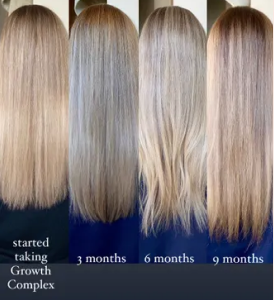
Whether or not a shampoo is right for you comes down to your scalp, not a scare headline. If you would rather keep your routine gentle and clean, that is the thinking behind HAIRLOVE's formulas. For scalp health specifically, the Scalp Serum and the Growth Complex support hair from a different direction, and our guide to toxic products in hair and skin care covers the wider ingredient picture.
Reading Between the Lines
Sulfates are effective cleansers that are genuinely too harsh for some scalps and perfectly fine for others. They can dry and irritate, but they do not cause hair loss. Match your shampoo to your scalp, and treat sudden shedding as a reason to see a professional rather than a reason to blame the bottle.


