


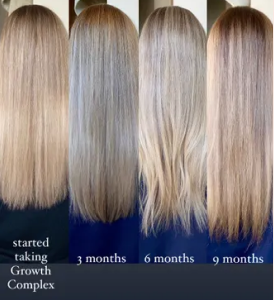

March is Endometriosis Awareness Month, and there's a connection that deserves more attention. Endometriosis, a condition affecting an estimated 190 million women worldwide, can impact far more than reproductive health. For many women, it can also affect their hair.
What Is Endometriosis?
Endometriosis occurs when tissue similar to the uterine lining grows outside the uterus. These growths most commonly appear on the ovaries, fallopian tubes, and pelvic lining. The tissue responds to hormonal cycles, thickening, breaking down, and bleeding each month. Because it has no way to exit the body, it becomes trapped, causing inflammation, scar tissue, and pain.
How Endometriosis Can Affect Your Hair
The relationship is complex and multifactorial. There's no single direct mechanism, but several indirect pathways can contribute.
Hormonal disruption
Endometriosis is estrogen-dependent. It can create significant hormonal imbalances affecting estrogen, progesterone, and androgens, which can disrupt the hair growth cycle and push more follicles into the telogen (resting) phase.
Iron deficiency
Women with endometriosis frequently experience heavy menstrual bleeding. Over time, this can lead to iron deficiency or low ferritin levels. Iron is essential for delivering oxygen to hair follicles. Research published in the International Journal of Gynecology and Obstetrics found a high prevalence of undiagnosed iron deficiency among endometriosis patients.
Medication side effects
GnRH agonists dramatically reduce estrogen, creating menopause-like conditions that can trigger shedding. Aromatase inhibitors alter the estrogen/androgen balance. Even NSAIDs used for pain management have been linked to telogen effluvium.
Chronic stress and inflammation
Endometriosis is a chronic pain condition, and chronic pain is inherently stressful. Elevated cortisol from ongoing stress can trigger telogen effluvium. Systemic inflammation may also affect follicle health.
Autoimmune connection
A large-scale study in Taiwan found that women with endometriosis had a statistically higher risk of developing alopecia areata. Researchers believe shared genetic backgrounds, mutual inflammatory pathways, and common hormonal factors may explain this connection.
What You Can Do
- Get comprehensive bloodwork. Ask your doctor to check iron, ferritin, vitamin D, zinc, thyroid hormones, and B12. Nutritional deficiencies are among the most treatable contributors.
- Discuss hair concerns with your healthcare provider. Many women don't mention hair changes during endo appointments. Bringing it up can help your provider see the full picture.
- Support your hair nutritionally. Bioavailable keratin, iron-rich foods, omega-3 fatty acids, and adequate protein all support healthy growth during hormonal turbulence.
- Prioritize scalp health. A clean, nourished scalp supports follicle function regardless of what's happening hormonally.
- Manage stress proactively. Finding sustainable stress management practices protects both your overall health and your hair.
The Bottom Line
Endometriosis affects the whole body, not just the reproductive system. If you're living with endo and experiencing hair changes, the connection is real. Understanding it empowers you to seek targeted support.
Sources
NCBI/PubMed; International Journal of Molecular Sciences; International Journal of Gynecology and Obstetrics; Dermatologic Surgery (Dai et al., 2021); Medical News Today


