




Vyvanse (lisdexamfetamine) works through the same general mechanism as Adderall, increasing dopamine and norepinephrine activity to improve focus and reduce impulsivity in ADHD, but its pharmacokinetics are meaningfully different. Whether that difference translates to a lower risk of hair loss is the key question for many users.
How Vyvanse Differs From Adderall
Vyvanse is a prodrug: it must be metabolized in the gut and bloodstream before it becomes active dextroamphetamine. This process is rate-limited, producing a more gradual, sustained effect rather than the sharp peak-and-trough pharmacokinetics of Adderall. In practice, this means:
- Generally more consistent appetite suppression rather than sharp swings of hunger and non-hunger
- Potentially less pronounced cortisol fluctuation throughout the day
- Smoother sleep impact in users who experience Adderall affecting sleep more significantly due to timing of dose effects
Why Vyvanse Can Still Cause Hair Loss
The indirect mechanisms that connect Adderall to hair loss apply to Vyvanse as well, because the active compound is ultimately dextroamphetamine in both cases:
- Appetite suppression: Vyvanse consistently suppresses appetite and food intake, which can reduce intake of protein, iron, zinc, and B vitamins that follicles depend on
- Cortisol elevation: amphetamine metabolites elevate the sympathetic stress response, raising cortisol and potentially disrupting the hair growth cycle
- Weight loss: significant weight reduction, common during initial Vyvanse treatment, is itself a trigger for telogen effluvium
Hair loss is listed as a rare adverse event in Vyvanse's prescribing information, consistent with Adderall. There are no large head-to-head studies comparing hair loss rates between the two.
The Practical Difference
Vyvanse's more gradual pharmacokinetic profile may produce slightly less severe appetite suppression and cortisol fluctuation for some users, potentially reducing the nutritional depletion mechanism. However, this difference is individual, some users experience comparable appetite effects on both. The safest approach is to manage the modifiable risks (nutrition, sleep, stress) regardless of which stimulant you are taking.
Reducing Hair Loss Risk on Vyvanse
- Set meal reminders and eat on a schedule. Do not rely on hunger cues while medicated
- Meet protein targets at every meal, 20 to 30g per sitting. Hair is made of keratin, a protein, and insufficient intake directly impairs new growth
- Check ferritin, not just hemoglobin. Low ferritin from reduced iron intake is one of the most common and correctible causes of stimulant-associated shedding
- Take Vyvanse as early in the day as clinically appropriate to minimize sleep disruption
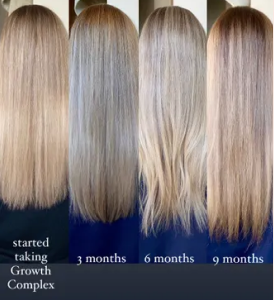
- Support follicle nutrition proactively. Women's Growth Complex provides zinc, selenium, biotin, and Cynatine HNS to address the nutritional gaps that appetite suppression can create
When to Speak to Your Prescriber
Do not stop Vyvanse without your prescriber's guidance. Hair loss from indirect mechanisms is typically temporary and manageable without stopping a medication that is helping with ADHD. If hair loss is severe, persistent beyond six to nine months despite nutritional correction, or significantly impacts your quality of life, raise it explicitly with your prescriber. For more on the stimulant class mechanism, see the Adderall and hair loss post.


