




Hair loss during or after a calorie-restricted diet is one of the most common and least anticipated side effects of weight loss, including weight loss driven by GLP-1 medications, bariatric surgery, and aggressive calorie restriction. If your hair started shedding two to three months after your most intensive cutting phase, this is almost certainly why.
Why Weight Loss Triggers Shedding
When the body enters a significant caloric deficit, it reassigns resources. Hair follicle matrix cells are metabolically expensive and classified as non-essential in the body's priority hierarchy. When protein intake drops, ferritin stores deplete, and overall caloric availability decreases sharply, the follicle is one of the first systems to be deprioritized.
The mechanism is telogen effluvium: a large cohort of follicles shifts from anagen (active growth) to telogen (resting) simultaneously. The shift happens during the most acute phase of the deficit. The shed happens two to three months later, after the telogen phase completes. This timing disconnect is why people often do not connect the shedding to the diet.
What Makes It Worse
Three nutritional variables compound the problem for people in an active cut:
- Ferritin depletion: caloric restriction reduces dietary iron intake and the body's stores. Ferritin below 30 mcg/L is independently associated with telogen effluvium even when hemoglobin is normal. This is the single most important variable to monitor during weight loss.
- Protein inadequacy: aggressive deficits frequently come with reduced protein intake, and the follicle matrix is one of the most protein-demanding structures in the body. Less than 1.2g of protein per kilogram of body weight daily during a cut significantly increases shed risk.
- Micronutrient gaps: restrictive diets typically reduce the breadth of nutrition alongside calories. Zinc and selenium in particular tend to fall below optimal levels during extended cuts.
Is the Hair Loss Permanent?
In the vast majority of cases, no. Telogen effluvium from weight loss is temporary. The follicles are resting, not destroyed. Once the rate of deficit slows, nutritional status stabilizes, and the follicle cycle normalizes, regrowth follows.
The Stress Factor
Weight loss, particularly aggressive caloric restriction, is a physiological stressor independent of its nutritional effects. Cortisol rises under caloric stress, and elevated cortisol suppresses the GAS6 protein that keeps hair follicle stem cells active. This is an additional mechanism beyond the pure nutritional deficit, which is why hair loss during weight loss is often more pronounced than the nutritional deficit alone would predict.
Managing the stress response during a cut, through sleep quality, moderate exercise intensity rather than extreme training volumes, and adequate protein to signal nutritional sufficiency, reduces the cortisol contribution to follicle stem cell suppression. The supplement stack of Growth Complex (nutritional) and Beauty Sleep (sleep quality and cortisol management through ashwagandha) addresses both mechanisms simultaneously.
How to Support Your Hair During an Active Cut
The most effective approach is nutritional. Maintain protein intake at 1.2 to 1.6g per kilogram of body weight even during restriction. Keep dietary zinc and selenium consistent. Get ferritin tested every eight to twelve weeks during an extended cut.
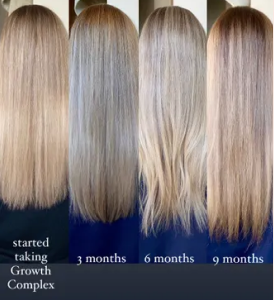
Growth Complex provides Cynatine HNS, zinc, selenium, and biotin at doses formulated to support the follicle environment during nutritional restriction. The timing matters: starting before or during the cut, not after the shed begins, gives the follicle the best chance of not entering telogen in the first place.
The Inside-Out Bundle adds Scalp Serum for topical support alongside the supplement.
Supporting Hair During Active Weight Loss vs After
The ideal time to start a hair supplement during a caloric deficit is before the shed begins, not after. The shed peak at two to three months post-deficit means that nutritional support during the deficit itself is what protects follicles from entering telogen in the first place. By the time hair is visibly falling out, the trigger has already fired two to three months earlier. Starting supplementation after shedding has begun is still beneficial for supporting the returning anagen phase, but starting during the deficit is more protective. If you are actively on a cut and have not started yet, now is the right time.


