




Kisspeptin-10 is being researched and used experimentally as a testosterone-boosting compound. The hair concern that comes up in research and biohacking communities is a logical chain from its mechanism, but it is important to be precise about what is established and what is theoretical.
What Kisspeptin Does
Kisspeptin is a neuropeptide produced in the hypothalamus that acts as the primary upstream regulator of the hypothalamic-pituitary-gonadal (HPG) axis. A clinical study by George et al. found that kisspeptin-10 is a potent stimulator of LH (luteinizing hormone) secretion and increases LH pulse frequency in men. LH drives testicular testosterone production. The result: kisspeptin-10 administration raises LH, FSH, and testosterone levels.
This is the mechanism for which it is being explored experimentally.
The Androgen-to-DHT-to-AGA Chain
The hair concern follows from testosterone's downstream conversion. Testosterone is converted to dihydrotestosterone (DHT) by the enzyme 5-alpha-reductase in scalp tissue. DHT binds to androgen receptors in hair follicles and, in people who have the inherited sensitivity, drives progressive follicle miniaturization. This is the established molecular mechanism of androgenetic alopecia.
The chain is: kisspeptin raises LH and testosterone, testosterone is available for DHT conversion, DHT miniaturizes sensitive follicles. In a mouse model, DHT-induced hair regrowth inhibition closely simulated the androgenetic alopecia pattern.
The key word is "sensitive." Assessment of DHT levels in androgenetic alopecia diagnostics confirms that follicle response to DHT is genetically determined. The same testosterone elevation does not produce the same hair outcome in different people.
Why Genetics Is the Gate
For someone with no family history of pattern hair loss and no existing follicle sensitivity to DHT, a modest testosterone elevation from kisspeptin is unlikely to produce visible follicle miniaturization. For someone who already has early androgenetic alopecia or a strong family history of pattern hair loss, an increase in testosterone and DHT substrate could accelerate thinning that was already genetically programmed.
The risk is conditional, not universal. This is stated plainly in the post because overstating it as a universal effect of kisspeptin would be inaccurate.
This Is Theoretical: No Kisspeptin Hair Study Exists
There is no published clinical or preclinical study that directly examines kisspeptin's effect on hair follicles or documents hair loss as an outcome of kisspeptin-10 administration. The concern is a logical inference from established androgen biology, not an empirically demonstrated kisspeptin effect. The post makes this explicit.
Who Should Be Cautious
- Men or women with a personal history of pattern hair loss (androgenetic alopecia)
- People with a strong family history of pattern hair loss on either side
- Anyone already experiencing visible crown thinning or hairline recession
- People who have previously noticed hair shedding in response to other testosterone-boosting approaches
What to Do If You Are Predisposed
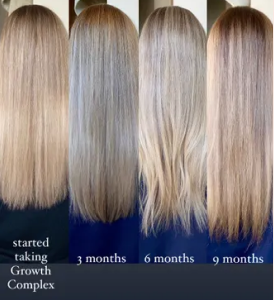
If you are considering kisspeptin and have androgenetic predisposition, discussing this with a physician who can assess your baseline and monitor testosterone, DHT, and hair progression is the appropriate step. Supplemental nutritional support for follicles is a reasonable baseline, but it is not a mitigation for an androgen-mediated process. Women's Growth Complex and Scalp Serum provide follicle and scalp support, framed honestly as general support rather than a treatment for androgenetic alopecia.
Androgen-mediated hair loss is a medical question. If it is a concern for you, it belongs in a conversation with a dermatologist, not a supplement decision.
It is also worth distinguishing kisspeptin-10 from other testosterone-adjacent compounds in terms of mechanism. Kisspeptin acts at the very top of the HPG axis, influencing endogenous LH pulsatility rather than delivering exogenous testosterone directly. This means the testosterone elevation it produces is bounded by the pituitary's normal response range and feedback inhibition, rather than bypassing those limits entirely. The clinical implication for hair is that the androgenic shift from kisspeptin is likely to be more moderate than from exogenous testosterone administration, which changes the risk level for people with androgenetic predisposition.
For women specifically: kisspeptin's LH-stimulating effect in women is context-dependent and varies with the menstrual cycle phase. Women using kisspeptin experimentally should be aware that the androgenic considerations apply to them as well, particularly those with PCOS or other androgen-sensitive conditions.


