




You started Zepbound a few months ago. The results have been real, the weight is coming off, and you feel better than you have in years. Then you notice more hair in the shower drain than usual. And then more.
This is one of the most reported experiences among Zepbound users, and it deserves a clear explanation rather than a wave of the hand.
What Zepbound Actually Is
Zepbound is the brand name for tirzepatide when prescribed for weight management. The same drug is sold as Mounjaro for type 2 diabetes management. Tirzepatide is a dual GIP/GLP-1 receptor agonist, meaning it works on two hormone pathways involved in blood sugar regulation, appetite, and metabolism.
The weight loss Zepbound produces can be substantial, often significantly more than older GLP-1 medications. That effectiveness is precisely why hair loss is a more pronounced concern with tirzepatide than with some older drugs in this class.
The Real Reason Your Hair Is Shedding
The primary driver of Zepbound-related hair loss is not the drug acting directly on your follicles. It is the rapid weight loss the drug produces.
When you lose weight quickly, your body experiences a physiological stress response. This stress triggers a type of hair loss called telogen effluvium, opens in a new tab. In telogen effluvium, a large number of follicles are pushed prematurely into the resting phase. Two to four months later, when those follicles complete their resting cycle, they shed at the same time, creating a noticeable increase in hair fall.
An analysis of FDA adverse event reporting data, opens in a new tab identified an increased reporting odds ratio for alopecia with both semaglutide and tirzepatide compared to other GLP-1 medications. Tirzepatide specifically showed a borderline association with telogen effluvium in a study of 283 GLP-1 users. The researchers noted that this effect appeared temporary and tied to weight loss rather than the drug itself.
How the Timing Usually Works
You start Zepbound and begin losing weight within the first one to two months
Hair appears normal at first, because the follicle disruption is happening internally
Two to four months after the rapid weight loss begins, shedding noticeably increases
Shedding typically peaks and then begins to stabilize as weight loss slows
Hair regrowth usually begins three to six months after shedding peaks, assuming nutritional status improves
Why the Nutritional Gap Matters
Rapid weight loss commonly comes with reduced food intake, which means reduced intake of the nutrients your hair follicles depend on. Even when you're eating well by volume, a significant caloric deficit can deplete the nutrients needed for healthy hair growth:
Iron and ferritin: the single most common nutritional deficiency linked to hair loss in women. Ferritin levels often fall during rapid weight loss even without overt iron deficiency anemia
Zinc: supports follicle function and 5-alpha reductase regulation. Depleted more quickly during rapid weight loss
Biotin and B vitamins: involved in keratin production. Dietary restriction reduces intake of these from food sources
Protein: hair is made of keratin, a protein. Inadequate protein intake during weight loss directly impairs new hair growth
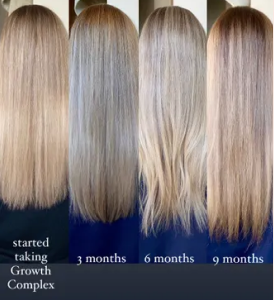
Addressing these gaps is where supplements can make a meaningful difference. HAIRLOVE's Women's Growth Complex includes Cynatine HNS, a bioavailable form of keratin clinically studied for hair strength and thickness, alongside zinc and selenium, specifically to support the follicle environment during periods of physical stress.
A Counterintuitive Finding
One interesting piece of research: a case report published in PMC, opens in a new tab, opens in a new tab documented a 57-year-old man with androgenic alopecia who actually experienced significant improvement in hair density after six months of tirzepatide treatment. The researchers suggested that by improving insulin resistance, the medication may have reduced the follicle miniaturization associated with metabolic syndrome. This doesn't cancel out the telogen effluvium risk for most users, but it illustrates that the relationship between GLP-1 drugs and hair is more complex than a simple cause-and-effect.
What Helps
Make sure your protein intake is adequate. Most Zepbound users need to be intentional about hitting protein targets during weight loss to support follicle function
Get bloodwork before and during treatment. Check ferritin, not just hemoglobin. A ferritin level below 30 mcg/L is associated with hair loss even without clinical anemia
Supplement strategically. Address the nutritional gaps weight loss creates rather than waiting for shedding to start before acting
Be patient with the timeline. Most Zepbound-related hair loss is temporary. Shedding that begins two to four months in typically stabilizes and improves as the rate of weight loss moderates
Talk to your prescriber if shedding is severe. In some cases, a slower titration schedule can reduce the physiological stress response
Connecting This to a Bigger Picture
Zepbound-related hair loss is almost always telogen effluvium from rapid weight loss, not direct follicle damage from the drug. That distinction matters because it means the follicle is not being permanently harmed, and recovery is realistic. The key is managing the nutritional gap that comes with significant caloric restriction and supporting your follicles throughout the process.
For more on how rapid weight loss specifically affects hair, see the medications that cause hair loss hub for the full pattern across GLP-1 medications.


