




Copper peptides are among the most discussed bioactive ingredients in the hair serum category, and GHK-Cu is the one with the most research behind it. That research is worth understanding clearly: what it shows, what it does not show, and what realistic expectations look like.
What GHK-Cu Is
GHK-Cu (glycine-histidine-lysine copper complex, also called copper tripeptide-1) is a naturally occurring tripeptide first isolated from human plasma. It binds copper ions and declines measurably with age: plasma concentrations are approximately 200 ng/mL in people in their 20s, falling to around 80 ng/mL by age 60. This age-related decline aligns with the period when hair thinning typically accelerates, making GHK-Cu's role in tissue maintenance a plausible entry point for hair biology.
What GHK-Cu Does at the Follicle Level
A comprehensive 2018 review by Pickart and Margolina documented the biological mechanisms relevant to hair:
- Stimulates VEGF and angiogenesis, improving blood supply to the follicle and surrounding dermal papilla. The dermal papilla is the mesenchymal cell cluster that signals follicle cycling and hair shaft production, and its blood supply is essential to its function
- Anti-inflammatory signaling that reduces perifollicular inflammation. Scalp biopsies from people with androgenetic alopecia frequently show inflammatory infiltrates around follicles, and chronic inflammation contributes to follicle miniaturization
- Promotes follicle enlargement, which is the opposite of the miniaturization driven by DHT in androgenetic alopecia
- Stimulates collagen and proteoglycan synthesis in the dermis surrounding the follicle, supporting the structural matrix the follicle sits within
The Human and Animal Evidence
The most direct hair-specific human evidence comes from a 2025 study by Kuceki et al. published in JAAD International, which used a microneedling-delivery method to apply a combination of minoxidil, dutasteride, and copper peptides in androgenetic alopecia patients. The study showed measurable hair regrowth assessed by AI analysis and blinded evaluators. This is meaningful evidence for delivery-enhanced topical copper peptide use, but it is a combination treatment, not copper peptides as a standalone.
Earlier work established the biological plausibility. The Pyo 2007 study specifically examined AHK-Cu (a related copper peptide) and showed direct ex vivo follicle elongation and dermal papilla proliferation using actual human follicle tissue. The honest summary: solid mechanistic evidence, promising early procedure-assisted human data, no large standalone placebo-controlled RCT for GHK-Cu applied topically alone.
The Microneedling Delivery Angle
The 2025 study reflects how copper peptides are most likely to achieve meaningful scalp penetration: paired with a delivery-enhancing method. Topical copper peptides applied to intact skin have limited dermal penetration. Microneedling creates micro-channels that dramatically increase absorption depth, allowing actives to reach the follicle and dermis where the mechanisms operate.
HairLove's Derma Roller is precisely this tool. Used before applying the Scalp Serum, it mirrors the delivery mechanism in the clinical evidence. The Detox Scalp Massager supports clean scalp prep before serum application. Both are in the Scalp Activation Bundle.
Hormetic Dosing and the Dread Shed
More is not better with copper peptides. Studies have shown that very high concentrations can inhibit rather than stimulate cellular activity. The optimal window is at physiological or near-physiological concentrations. Products that load very high concentrations are not clinically superior to well-formulated products at appropriate levels.
Growth-stimulating topical interventions that activate dormant follicles can trigger an initial synchronized shed as resting follicles complete the telogen phase before new anagen growth begins. Users who start a copper peptide serum and notice increased shedding in the first four to eight weeks are often experiencing follicle activation rather than damage. Setting this expectation before starting prevents unnecessary alarm and premature discontinuation.
Practical Routine Notes
For anyone starting a copper peptide scalp routine, the sequence matters: use the Detox Scalp Massager to clear buildup first, then derma roll, then apply serum while channels are open. This mirrors the delivery logic of the 2025 clinical study. For the clean-scalp prep step in detail, see the scalp detox post.
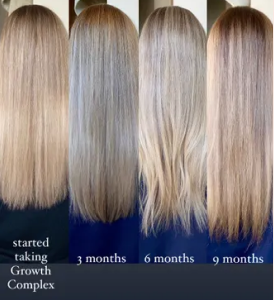
Hair cycles take three to six months to complete. Any intervention that successfully activates dormant follicles will not produce visible density changes until new anagen growth is cosmetically apparent. Assess outcomes at six months minimum, not six weeks.


