




You're considering Nutrafol and you want the full picture before committing $88 a month. Maybe you've seen mixed reviews, heard reports from friends, or you simply want to know what you're signing up for.
That's a reasonable thing to want. Here's a clear breakdown of what the reported side effects actually are, what causes them, and what to consider if you're on medication or have a thyroid condition.
What's Actually Inside Nutrafol
Nutrafol is a multi-ingredient supplement. The core formula includes ashwagandha, saw palmetto, marine collagen, tocotrienols (a form of vitamin E), biotin, curcumin, and a range of vitamins and minerals.
Most of these ingredients are well-tolerated by most people. The two that generate the most reported side effects are ashwagandha and saw palmetto, both of which are hormonally active compounds.
The Five Most Commonly Reported Side Effects
Digestive discomfort: nausea, loose stools, or stomach upset, particularly in the first few weeks or when taken on an empty stomach. This is by far the most common complaint across user reviews.
Headaches: reported by a subset of users, more often during the first month of use.
Initial shedding increase in weeks 4 to 6: typically a sign that the hair cycle is shifting. Hair supplement companies generally consider this normal, not a sign of damage. It can be alarming if you're not expecting it.
Hormonal changes: ashwagandha has documented effects on cortisol, estrogen, and thyroid hormone levels. Some women report changes in their cycle or energy levels, particularly during the first two months.
Acne or skin breakouts: linked most often to the biotin content. Very high doses of biotin can worsen acne in people who are prone to it.
The Thyroid Concern That Gets the Least Attention
This is the one that deserves more coverage than it gets.
Ashwagandha has documented effects on thyroid hormone levels. The NIH Office of Dietary Supplements notes that ashwagandha may interact with thyroid hormone medications and can elevate T3 and T4 levels. For people with hypothyroidism who are on levothyroxine or another thyroid medication, this interaction could require a dosage adjustment.
There are also published case reports of ashwagandha-associated thyrotoxicosis — a state of excess thyroid hormone. These are rare, but documented in peer-reviewed medical literature. If you have a thyroid condition, speak with your doctor before taking any ashwagandha-containing supplement.
The National Center for Complementary and Integrative Health (NCCIH) advises that ashwagandha may interact with thyroid medications, diabetes medications, blood pressure medications, immunosuppressants, and sedatives. These are not fringe concerns.
Who Should Be Cautious
Anyone on thyroid medication or with a diagnosed thyroid condition
Anyone who is pregnant or actively trying to conceive: ashwagandha has been associated with potential effects on pregnancy in animal studies, and Denmark banned its use in dietary supplements in 2023 over these concerns
People with hormone-sensitive conditions: saw palmetto inhibits 5-alpha reductase and has mild anti-androgenic effects, which may interact with hormone medications or affect hormonal balance in women with PCOS
Anyone on blood thinners, immunosuppressants, or sedative medications
Are These Risks Unique to the Nutrafol Brand?
Not entirely. Any hair supplement that includes hormonally active botanical ingredients carries similar considerations. The side effect profile is tied to the ingredient list, not the brand name.
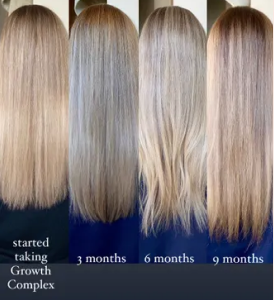
If you're looking for an alternative without ashwagandha, check the full ingredient label of any supplement you're considering. HairLove's Women's Growth Complex uses Cynatine HNS, a bioavailable form of keratin clinically studied for hair strength and thickness, alongside zinc and selenium, without including ashwagandha. For a full side-by-side ingredient comparison, the Vegamour vs Nutrafol vs HairLove post covers the formulas in detail.
Making Any Hair Supplement Work Better
Take it with food to minimize digestive side effects
Give it at least 90 days before assessing results. Hair grows slowly and the cycle means changes take time to become visible
Rule out nutritional gaps alongside supplementing. Iron deficiency, low ferritin, and vitamin D deficiency are common drivers of hair loss in women that no supplement fully compensates for without addressing them directly
Reading Between the Lines
The side effects most people experience with Nutrafol are real but manageable for most users. Digestive discomfort, initial shedding, and mild hormonal shifts are the most common. The thyroid interaction is the piece that warrants the most attention and is the least discussed in marketing materials.
Before starting any hair supplement, check whether the formula contains ingredients that interact with any medication you take, and run it by your doctor if you have a thyroid condition, are pregnant, or take any of the medications listed above. For a broader look at what ingredients have the strongest evidence behind them, the best hair growth vitamins for women post is a useful reference.


